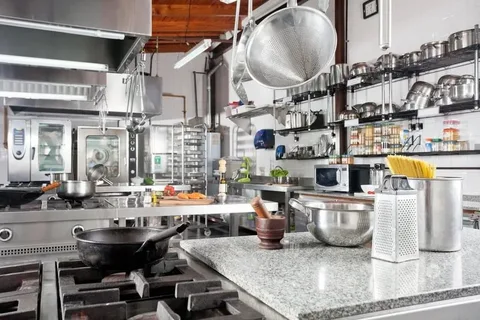
Commercial kitchens are the operational heart of any food service establishment, from bustling restaurants to efficient catering businesses. The equipment housed within these spaces is specifically designed for high-volume, continuous use, differing significantly from residential counterparts in terms of durability, power, and capacity. Investing in the right commercial cooking equipment is paramount for ensuring operational efficiency, maintaining food safety standards, and delivering consistent customer quality. The selection process requires careful consideration of various factors, including the type of cuisine, the volume of production, available space, and energy efficiency. Understanding the diverse range of equipment available and its specific applications is crucial for any successful food service venture.
Refrigeration and Freezing Solutions for Commercial Kitchens
Maintaining food safety and freshness is a cornerstone of any successful commercial kitchen. This category encompasses many specialised units, including reach-in refrigerators and freezers, walk-in coolers and freezers, and under-counter units. Reach-in models are ideal for easy access to frequently used ingredients, while walk-in units provide extensive storage for bulk items, crucial for high-volume operations. Undercounter refrigeration maximises space efficiency in smaller kitchens.
Each type is engineered to maintain precise temperature control, which is critical for preventing spoilage and adhering to stringent health regulations. The robust construction and powerful compressors in commercial refrigeration units are designed to withstand constant opening and closing, a common occurrence in busy kitchen environments.
Professional Cooking Ranges and Ovens
At the core of many commercial kitchens are the cooking ranges and ovens. These essential equipment come in various configurations to meet diverse culinary demands. Gas ranges are favoured for their instant heat and precise temperature control, making them suitable for sautéing, simmering, and boiling. Electric ranges offer consistent heat distribution and are often easier to clean.
Commercial ovens include convection ovens, which use fans to circulate hot air for even cooking and faster baking, and conventional ovens, which are ideal for roasting and baking. Deck ovens specialised pizzas and bread, providing consistent, high heat from both top and bottom elements. The robust construction of these units ensures they can handle the continuous high temperatures and heavy use characteristics of a professional cooking environment.
Commercial Fryers and Griddles
Fryers and griddles are indispensable for establishments serving fried foods or dishes requiring searing. Commercial deep fryers are available in various capacities, from countertop models for smaller operations to floor models with multiple baskets for high-volume frying. They are designed for rapid oil heating and recovery, ensuring consistent cooking results and reducing wait times.
Conversely, griddles offer a large, flat cooking surface, perfect for preparing breakfast items, burgers, and sandwiches. They can be gas or electric, often featuring multiple heating zones for versatile cooking. The durable construction of these units is built to withstand the rigorous demands of continuous high-temperature cooking and frequent cleaning.
Food Preparation Equipment and Workstations
Efficient food preparation is vital for smooth kitchen operations. This category includes equipment designed to streamline tasks such as chopping, slicing, mixing, and processing. Commercial food processors are robust machines capable of quickly handling large ingredients. From planetary to spiral models, mixers are essential for bakeries and establishments requiring dough or batter preparation. Slicers ensure uniform cuts for deli meats and vegetables.
Stainless steel work tables and sinks are also integral, providing hygienic and durable surfaces for food handling and cleaning. The design of these workstations often incorporates features that facilitate easy cleaning and adherence to strict hygiene standards.
Ventilation and Fire Suppression Systems
Proper ventilation is crucial for maintaining a comfortable and safe working environment in a commercial kitchen. Exhaust hoods, designed to capture and remove smoke, steam, and cooking odours, are positioned directly above cooking equipment. These systems prevent the buildup of grease and airborne contaminants, which can pose fire hazards and create an unpleasant atmosphere.
Integrated fire suppression systems are a mandatory safety feature in commercial kitchens, designed to detect and extinguish fires originating from cooking equipment automatically. These systems typically employ a specialist gushing agent effective against grease fires and protecting personnel and property.
Commercial Dishwashing Solutions
Maintaining impeccable hygiene is non-negotiable in a commercial kitchen, and efficient dishwashing equipment is key. Commercial dishwashers are engineered for high-volume throughput and rapid cleaning cycles, far exceeding the capabilities of residential models. Under-counter dishwashers are suitable for smaller operations, while conveyor or door-type dishwashers are designed for high-capacity use in busy restaurants.
Pot washers are specially specialised for heavy-duty cleaning of large pots, pans, and utensils. These machines often incorporate powerful jets and high-temperature sanitisation to ensure all dishware meets stringent health and safety standards.
Specialty Cooking Appliances
Beyond the core cooking equipment, many commercial kitchens utilise utility appliances to cater to specific culinary needs. Tilting skillets are versatile units that can braise, simmer, grill, and fry large quantities of food. Steamers are excellent for cooking vegetables, seafood, and dim sum, preserving nutrients and flavours.
Combi ovens combine the functions of a convection oven and a steamer, offering exceptional versatility for baking, roasting, and steaming in a single unit. Salamanders and broilers provide intense overhead heat for browning, glazing, or finishing dishes. These specialises allow kitchens to expand their menu offerings and optimise their cooking processes.
Holding and Warming Commercial Kitchen Equipment
Holding and warming Commercial Kitchen Equipment is essential to ensure food is served at optimal temperatures. Bain-Maries or steam tables keep prepared food warm using a hot water bath, ideal for buffet lines or serving stations. Heated holding cabinets are designed to maintain the temperature and moisture of cooked dishes before service, which is crucial for catering and high-volume operations. Heat lamps are often used in serving areas to keep plated food warm without continuing to cook it. These units are critical in maintaining food quality and safety, ensuring that dishes are consistently served at the desired temperature.
Beverage Preparation Equipment
Specialised equipment is necessary for specialised beverages. Commercial coffee makers and espresso machines are designed for high-volume brewing, delivering consistent quality and speed. Blenders, particularly high-powered commercial models, are essential for making smoothies, milkshakes, and sauces. Juice extractors provide fresh juice on demand. Ice machines are critical for producing large quantities of ice for drinks and food presentations, and they are available in various capacities and ice types. These machines are built for durability and efficiency, supporting rapid beverage service in busy environments.
Storage and Shelving Systems
Efficient storage and shelving are fundamental for organising a commercial kitchen, optimising, and maintaining hygiene. Stainless steel shelving units are durable, easy to clean, and corrosion-resistant, making them ideal for storing dry goods, pots, pans, and smaller appliances. Mobile shelving units offer flexibility for reconfiguring kitchen layouts or moving ingredients.
Ingredient bins and food storage containers are designed to keep ingredients fresh, organised, and protected from contaminants. Proper storage enhances efficiency and contributes significantly to food safety by minimising contamination risks and adhering to FIFO (First-In, First-Out) principles.
Safety and Utility Equipment
Beyond the primary equipment for cooking and food preparation, a commercial kitchen relies on a range of supplementary items to ensure a safe, hygienic, and efficient workflow. These crucial tools support daily operations by addressing safety concerns, promoting staff well-being, and streamlining logistical tasks.
Fire Safety Equipment
Kitchen fires pose a significant risk, making specialized fire extinguishers indispensable. Class K fire extinguishers are specifically designed for fires involving cooking oils and fats, and their easy accessibility is a non-negotiable safety requirement. Regular inspections and staff training on their use are also vital.
First-Aid Provisions
Accidents can happen even in the most organized kitchens. Readily available first-aid kits are essential for promptly addressing minor cuts, burns, or other injuries, minimizing disruption and ensuring immediate care for staff.
Ergonomic Floor Mats
Long hours on one’s feet can lead to fatigue and discomfort. Anti-fatigue floor mats provide cushioning and support for kitchen staff, reducing strain. They also offer crucial slip resistance, enhancing safety in potentially wet or greasy environments.
Utility and Transport Carts
Efficient movement of goods is vital in a busy kitchen. Utility carts simplify the transportation of raw ingredients from storage to prep areas, moving clean dishes to serving stations, and clearing away waste. This significantly improves logistical efficiency and reduces manual handling.
Handwashing Stations
Maintaining stringent hygiene standards is paramount in any food service establishment. Dedicated handwashing stations equipped with hot water, soap, and paper towels are critical for staff to adhere to proper hand hygiene protocols, preventing cross-contamination and ensuring food safety.
Waste Management Solutions
Effective waste management is critical for hygiene, pest control, and regulatory compliance in a commercial kitchen. Commercial trash cans are robust and often feature foot pedals for hands-free operation. Recycling bins are essential for separating recyclable materials and reducing environmental impact.
Grease traps are designed to intercept fats, oils, and grease from wastewater before they enter the drainage system, preventing blockages and complying with environmental regulations. Food waste disposers can efficiently break down organic waste, reducing the volume of solid waste. Proper waste management practices provide a clean, safe, and efficient kitchen environment.
Conclusion
Equipping a commercial kitchen with the right machinery is fundamental to its success, ensuring operational efficiency, food safety, and consistent quality. Each piece of Commercial Cooking Equipment plays a vital role, from robust refrigeration and diverse cooking ranges to essential preparation tools and stringent waste management systems. Careful selection, considering factors like volume, space, and energy efficiency, empowers establishments to meet demanding culinary needs, comply with health regulations, and deliver exceptional service in the dynamic food service industry.
Frequently Asked Questions
What are the key differences between residential and commercial refrigeration?
Commercial refrigeration units are designed for heavy-duty, continuous use. They have robust construction and powerful compressors that withstand constant opening and closing. Unlike less durable residential models, they maintain precise temperature control crucial for high-volume operations and strict food safety standards.
Why are professional cooking ranges and ovens essential for commercial kitchens?
Professional cooking ranges and ovens, such as gas ranges for instant heat and convection ovens for even cooking, are essential because they are built for continuous high temperatures and heavy use. They ensure precise control and consistent results, vital for high-volume food production in commercial settings.
What role does food preparation Commercial Cooking Equipment play in kitchen efficiency?
Food preparation Commercial Cooking Equipment like commercial food processors, mixers, and slicers streamlines tasks such as chopping, mixing, and slicing large quantities of ingredients. This significantly enhances efficiency, reduces preparation time, and ensures uniform results, contributing to smoother kitchen operations.
Why are ventilation and fire suppression systems mandatory in commercial kitchens?
Ventilation systems, like exhaust hoods, remove smoke, steam, and grease, preventing buildup that can cause fire hazards and maintaining a comfortable environment. Fire suppression systems are mandatory because they automatically detect and extinguish fires, particularly grease fires, protecting personnel and property.
How do commercial dishwashing solutions contribute to hygiene standards?
Commercial dishwashers are engineered for high-volume throughput and rapid, high-temperature sanitisation, far exceeding residential capabilities. They ensure all dishware meets stringent health and safety standards, preventing cross-contamination and maintaining impeccable hygiene in a busy kitchen environment.
| Related Business Listings |
| Contact Directory |
| Local Business Profiles |