Taking care of your yard in an eco-friendly way not only creates a healthier space for plants and animals but also benefits the environment as a whole. Eco-friendly yard care reduces water usage, minimizes chemical runoff, and limits the need for harmful fertilizers. This guide explores practical strategies for maintaining a beautiful, sustainable yard that is kind to the planet.
Why Eco-Friendly Yard Care Matters
Eco-friendly yard care practices benefit the environment by reducing pollution, conserving water, and promoting biodiversity. Many traditional lawn and garden maintenance methods rely on synthetic chemicals and intensive watering, both of which can harm local ecosystems. Shifting to greener methods helps reduce pollution and creates a safer habitat for wildlife.
Key Principles of Eco-Friendly Yard Care
Eco-friendly yard care follows a few essential principles: reducing waste, minimizing chemical use, conserving water, and maintaining a balance between plants and local wildlife. Here’s a closer look at these principles:
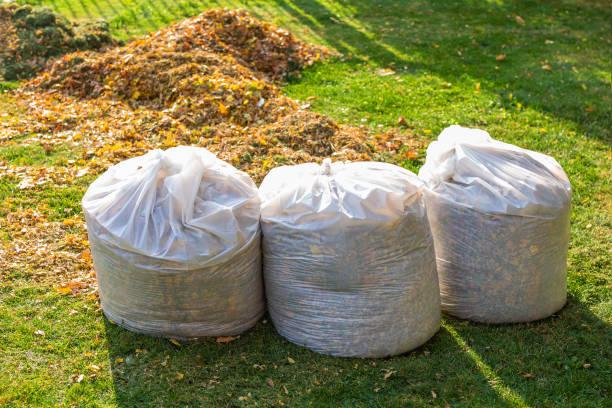
- Reduce Waste: From grass clippings to fallen leaves, yard maintenance can produce a significant amount of waste. Many people opt for yard waste removal services to help manage and dispose of organic waste responsibly. Composting is another excellent way to recycle this waste and enrich your soil naturally.
- Minimize Chemicals: Chemical fertilizers and pesticides harm not only the plants but also the surrounding soil and water. Natural alternatives like compost, organic fertilizers, and integrated pest management keep your garden healthy without polluting the environment.
- Conserve Water: Reducing water use helps maintain a healthy ecosystem. Drought-resistant plants, mulching, and efficient irrigation techniques all help to minimize the need for water in your yard.
- Encourage Biodiversity: By growing a variety of plants that support pollinators and other wildlife, you can create a balanced, resilient yard that fosters a healthy environment.
How to Start an Eco-Friendly Yard
To begin your journey toward eco-friendly yard care, consider these steps:
- Assess Your Yard: Determine what you want from your outdoor space. Are you aiming for a lush garden or a simple lawn? Understanding your goals helps you make sustainable choices from the start.
- Choose Native Plants: Native plants are adapted to your local climate and soil, meaning they require less water and fewer chemicals. They also support local wildlife, including pollinators like bees and butterflies.
- Create a Compost Area: Composting turns yard waste into nutrient-rich soil, reducing the need for synthetic fertilizers and supporting a sustainable garden. Collect kitchen scraps, leaves, and grass clippings, and add them to a designated compost area in your yard.
- Reduce Your Lawn Size: Lawns consume a lot of water, fertilizer, and maintenance. Reducing the size of your lawn and replacing it with ground cover plants or native shrubs can make your yard more eco-friendly.
- Use Yard Waste Removal Services Wisely: For larger waste items or if composting isn’t feasible, eco-friendly yard waste removal services can help. Many of these services recycle or repurpose yard waste, so be sure to choose a provider that aligns with your eco-friendly values.
Eco-Friendly Lawn Care Techniques
If you prefer to maintain a grassy lawn, there are sustainable ways to do so. Here’s how:
- Mow High: Mowing at a higher setting helps your grass develop deeper roots, making it more drought-resistant and less prone to weeds.
- Use Organic Fertilizers: Avoid chemical fertilizers and opt for organic options, which release nutrients slowly and improve soil health.
- Water Smartly: Water your lawn in the early morning to reduce evaporation. You can also install a rain barrel to collect rainwater for later use.
- Leave Grass Clippings: Leaving grass clippings on the lawn acts as a natural fertilizer, returning nutrients back to the soil.
- Aerate the Soil: Aerating helps your lawn absorb water and nutrients more effectively, reducing the need for excessive watering and fertilizing.
Sustainable Garden Design Ideas
Transforming your yard into a sustainable paradise doesn’t have to be challenging. Here are some ideas to create a beautiful, eco-friendly yard design:
- Rain Gardens: A rain garden is designed to capture runoff from roofs, driveways, or patios. The plants in a rain garden absorb excess water, preventing erosion and reducing the risk of flooding.
- Pollinator Gardens: By growing plants that attract bees, butterflies, and birds, you can create a thriving pollinator garden that supports biodiversity and helps maintain healthy plant populations.
- Edible Gardens: Grow your vegetables, herbs, and fruits to reduce your carbon footprint. Not only does an edible garden provide fresh produce, but it also reduces the need for grocery trips and packaging.
- Xeriscaping: Xeriscaping uses drought-tolerant plants and minimal irrigation to create a low-maintenance, eco-friendly yard. It’s an excellent option for dry regions where water conservation is crucial.
- Permeable Pathways: Instead of concrete paths, use permeable materials like gravel, wood chips, or stepping stones. These materials allow rainwater to soak into the soil, reducing runoff and erosion.
Natural Pest Control Methods
Pests are a common issue in any yard, but chemical pesticides can be harmful. Instead, try these natural pest control methods:
- Encourage Beneficial Insects: Ladybugs, spiders, and predatory beetles naturally control pest populations. By planting flowers like marigolds and daisies, you can attract these helpful insects.
- Use Companion Planting: Planting certain species together can help deter pests. For example, planting garlic or chives near roses can protect them from aphids.
- DIY Pest Sprays: Natural pest sprays made from ingredients like neem oil, garlic, or soap can be effective in controlling pests without harming the environment.
- Set Physical Barriers: Netting, row covers, or physical traps can protect your plants without the need for harmful chemicals.
Water Conservation Techniques for an Eco-Friendly Yard
Water conservation is essential for eco-friendly yard care. Try these techniques to reduce water usage:
- Mulching: Mulch helps soil retain moisture, reducing the need for frequent watering. It also suppresses weeds and improves soil quality.
- Drip Irrigation: Unlike traditional sprinklers, drip irrigation targets the root zone directly, conserving water and ensuring plants get exactly what they need.
- Rain Barrels: Rain barrels collect and store rainwater, which can be used to water your plants during dry spells.
- Drought-Resistant Plants: Choose plants that thrive in your area’s natural rainfall patterns. Drought-tolerant plants require less water and help conserve local water resources.
- Group Plants with Similar Water Needs: By grouping plants with similar water needs, you can avoid over-watering certain areas of your yard.
Eco-Friendly Yard Maintenance Tips
Once your yard is designed with sustainability in mind, maintaining it with eco-friendly practices is crucial. Here are some essential maintenance tips:
- Regularly Prune and Trim: Keeping plants trimmed prevents overgrowth and minimizes the risk of diseases spreading.
- Compost Yard Waste: Composting yard waste reduces the amount sent to landfills and provides you with natural fertilizer.
- Avoid Chemical Weed Killers: Use natural weed killers like vinegar or boiling water to eliminate weeds. Alternatively, pull weeds by hand or cover them with mulch to prevent regrowth.
- Choose Battery-Powered Tools: Opt for battery-powered or hand tools over gas-powered ones to reduce emissions.
- Rotate Crops in Vegetable Gardens: Rotating your crops helps maintain soil health and prevent pest buildup.
Recycling Yard Waste Responsibly
Many people don’t realize the impact of improperly disposed yard waste on the environment. When yard waste is sent to landfills, it decomposes anaerobically and releases methane, a potent greenhouse gas. Instead, consider these options for handling yard waste:
- Composting: As mentioned, composting is an ideal way to recycle organic matter, turning it into a valuable soil amendment.
- Yard Waste Removal Services: For larger quantities of yard waste or materials that can’t be composted, consider hiring yard waste removal services. These services often recycle or repurpose the materials, reducing landfill waste.
- Municipal Yard Waste Programs: Many communities have yard waste collection programs where residents can drop off leaves, branches, and grass clippings for proper disposal or composting.
Eco-Friendly Yard Care for All Seasons
Different seasons require different yard care approaches. Here’s how to maintain an eco-friendly yard throughout the year:
- Spring: Prepare your garden beds, plant native species, and add compost to nourish the soil.
- Summer: Focus on water conservation, mulching, and pest control to keep your garden thriving during the hottest months.
- Fall: Rake leaves for compost, plant bulbs for spring blooms, and add a layer of mulch to protect plants during the winter.
- Winter: Prune trees and shrubs, protect sensitive plants with covers, and store rainwater for the coming spring.
Conclusion: A Greener Yard for a Healthier Planet
Eco-friendly yard care may require some adjustments, but the environmental benefits and long-term cost savings are well worth the effort. By incorporating native plants, reducing waste, conserving water, and choosing sustainable maintenance methods, you can create a yard that is beautiful, functional, and in harmony with nature. Whether you’re using composting methods, taking advantage of yard waste removal services, or creating a pollinator-friendly garden, every small step contributes to a healthier planet and a more sustainable future.