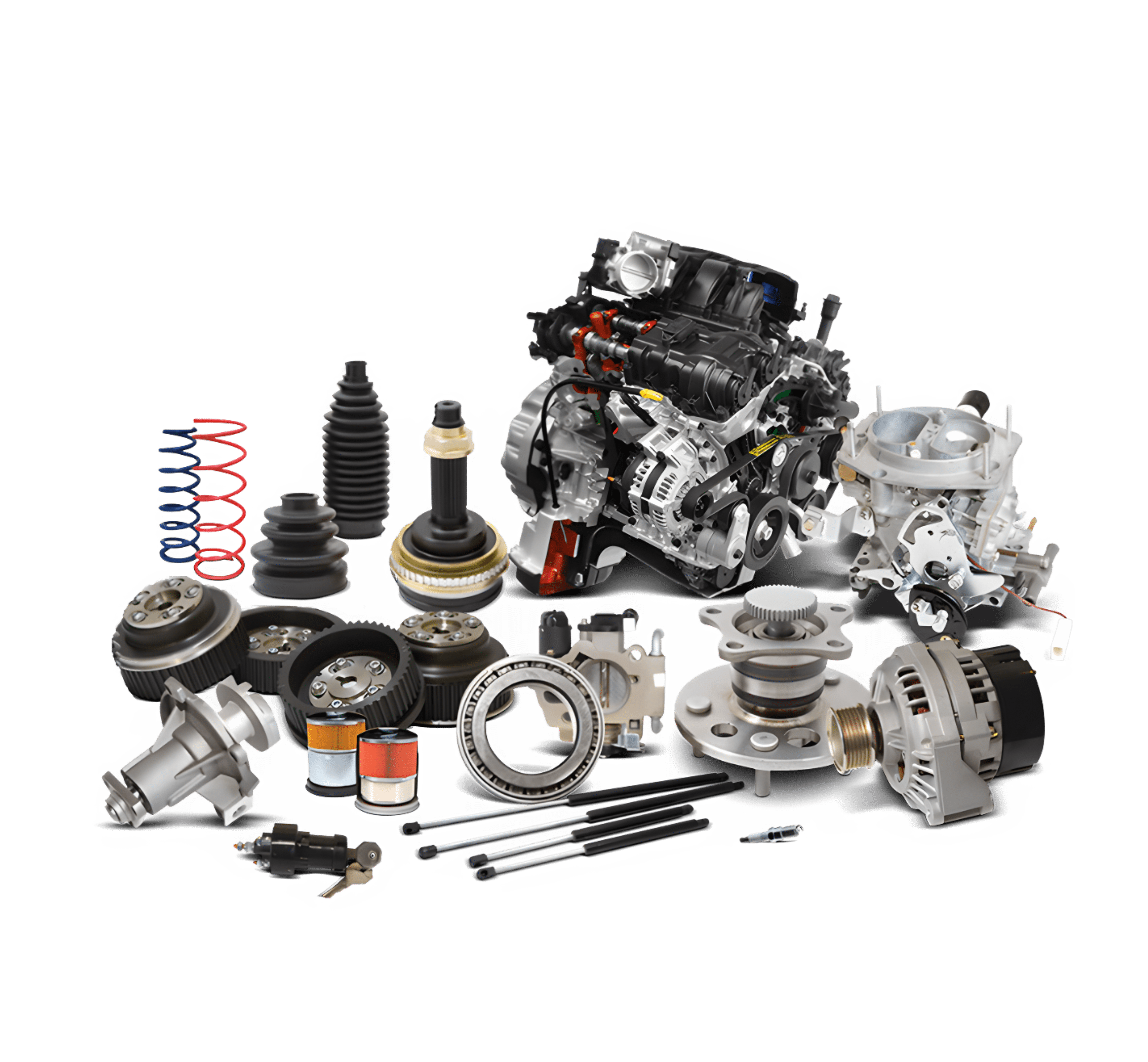
Introduction to Mercedes C-Class Engines
The Mercedes-Benz C-Class is a cornerstone of luxury compact cars, renowned for its blend of performance, refinement, and advanced technology. The engines powering the C-Class, from efficient diesels to high-performance AMG variants, are designed to deliver a premium driving experience. However, like any vehicle, C-Class engines can face issues due to high mileage, wear, or specific design flaws, making replacement a practical solution. Whether you drive a C180, C200, or C63 AMG, understanding the available engine options and their characteristics is key to maintaining your vehicle’s performance.
This comprehensive guide explores the types of Mercedes C-Class engines, their performance features, common issues, and replacement options, including used, reconditioned, and remanufactured engines. For UK drivers, platforms like Engine Finders connect you with over 450 verified suppliers to source high-quality Mercedes C engines at competitive prices. Whether you’re addressing a failure or upgrading performance, this article will help you make an informed decision.
Overview of Mercedes C-Class Engine Types
The Mercedes C-Class (W203, W204, W205, and W206 generations) has featured a variety of engines since its debut in 1993, catering to different driving needs, from fuel efficiency to high performance. Below are the primary engine types found in C-Class models, with a focus on those available in 2025 and earlier generations still in use.
1. Petrol Engines
- 1.5L Turbo Inline-Four (M264, C180/C200): A mild-hybrid petrol engine producing 170–204 horsepower and 250–300 Nm of torque. Found in W206 C-Class models, it achieves 0–62 mph in 7.1–8.6 seconds and up to 44 mpg.
- 2.0L Turbo Inline-Four (M264, C300): Delivers 258 horsepower and 400 Nm, with a 0–62 mph time of 6.0 seconds and 40 mpg efficiency. Common in W205 and W206 models.
- 4.0L V8 Biturbo (M177, C63 AMG): A high-performance engine producing 469–503 horsepower and 650–700 Nm, used in C63 and C63 S models (W205). Achieves 0–62 mph in 3.9–4.1 seconds but lower fuel economy (around 25 mpg).
- Historical Note: Older models (W203/W204) featured the 1.8L Kompressor (M271, 143–192 horsepower) and 3.5L V6 (M272, 268 horsepower), known for smooth performance but less efficiency.
2. Diesel Engines
- 2.0L Turbo Inline-Four (OM654, C200d/C220d): Produces 161–200 horsepower and 360–400 Nm, found in W205 and W206 models. Offers 0–62 mph in 7.0–8.0 seconds and up to 55 mpg, ideal for long-distance cruising.
- 3.0L V6 Diesel (OM642, C320 CDI): Used in W204 models, delivering 224 horsepower and 540 Nm. Achieves 35 mpg and strong towing capability.
- Historical Note: Early W203 models used the 2.2L CDI (OM611, 115–143 horsepower), known for durability but prone to injector issues.
3. Plug-In Hybrid Electric Vehicles (PHEVs)
- 2.0L Turbo + Electric Motor (C350e/C300e): Combines a 2.0L petrol engine with a 95–129 kW electric motor, producing 315–333 horsepower and up to 55 miles of electric range (40 miles real-world). Found in W205 and W206 models, achieving up to 470 mpg when charged regularly.
- Historical Note: The C350e (W205) offered 279 horsepower and a 20-mile electric range, less efficient than newer C300e models.
Performance and Features of Mercedes C-Class Engines
Mercedes C-Class engines are engineered for efficiency, power, and refinement, incorporating advanced technologies:
- Mild-Hybrid Technology: Found in 1.5L and 2.0L M264 engines, a 48-volt system boosts efficiency by 5–10%, improving fuel economy and reducing emissions.
- Turbocharging: Enhances power in petrol and diesel engines, like the 2.0L OM654 and 4.0L M177, ensuring strong acceleration and torque.
- Plug-In Hybrid Systems: The C300e integrates a petrol engine with an electric motor and 25.4 kWh battery, offering seamless transitions and low-emission urban driving.
- Nine-Speed Automatic Gearbox: Standard across most models, it provides smooth shifts and optimizes fuel efficiency.
- Direct Injection: Improves combustion efficiency in petrol and diesel engines but requires maintenance to prevent carbon buildup.
Common Mercedes C-Class Engine Issues
While reliable, C-Class engines can face issues, particularly in high-mileage or older models:
- Timing Chain Failures: Common in M271 (1.8L Kompressor) and M276 (3.0L V6) engines, causing misfires or engine damage. Replacement costs £1,000–£2,500.
- Turbocharger Issues: Affects 2.0L M264 and OM654 engines, leading to power loss or smoke. Turbo repairs cost £1,200–£2,500.
- Injector Failures: Diesel engines (e.g., OM611, OM654) can suffer from clogged or leaking injectors, reducing efficiency. Replacement costs £500–£1,500 per injector.
- Oil Leaks: Common in W203/W204 models (e.g., M272, OM642), due to worn gaskets or seals.
- Carbon Buildup: Impacts direct-injection engines like the M264, requiring cleaning every 30,000–50,000 miles.
Reconditioned and remanufactured engines often address these issues with upgraded components, such as reinforced timing chains or improved injectors.
Replacement Options for Mercedes C-Class Engines
When a C-Class engine fails, replacement options include:
- Used Engines: Low-mileage (30,000–80,000 miles) engines from decommissioned vehicles. Cost: £500–£2,500. Example: A used 2.0L OM654 for a C220d costs £1,200.
- Reconditioned Engines: Rebuilt to OEM standards with new components. Cost: £1,500–£4,500. Example: A reconditioned 2.0L M264 for a C300 costs £2,500–£3,500.
- Remanufactured Engines: Upgraded beyond OEM specifications with enhanced parts. Cost: £3,000–£8,500. Example: A remanufactured 4.0L M177 for a C63 AMG costs £5,500–£8,000.
- New Engines: Cost £10,000–£40,000 with long lead times (6+ months), making them less practical.
Additional costs include:
- Labor: £500–£2,500 for professional fitting.
- Delivery: £50–£200, with next-day options in cities like London and Manchester.
- Vehicle Recovery: £100–£500 for immobile vehicles.
Engine Finders connects UK drivers with verified suppliers for transparent pricing and fast delivery.
Benefits of Choosing Replacement Mercedes C Engines
- Cost Savings: Used engines save 60–80%, and reconditioned engines save 50–70% compared to new engines.
- Sustainability: Reusing engines reduces manufacturing waste and carbon emissions.
- Availability: Wide range of engines for C180, C220d, C300e, and C63 models, with fast delivery.
- Reliability: Reconditioned and remanufactured engines are tested to meet or exceed OEM standards, with warranties (30 days–3 years).
Key Considerations for Choosing a Mercedes C-Class Engine
1. Vehicle Compatibility
Ensure the engine matches your C-Class model (e.g., W205, W206), year, and specifications. Use your Vehicle Identification Number (VIN) or registration number for precise matching.
2. Driving Needs
- Efficiency: Choose 2.0L diesel (C220d) or PHEV (C300e) for fuel economy and low emissions.
- Performance: Opt for the 4.0L V8 (C63 AMG) for thrilling power.
- Balanced Driving: The 2.0L petrol (C300) suits mixed urban and highway use.
3. Engine Condition
For used engines, prioritize low mileage (30,000–80,000 miles) with documented history. Reconditioned and remanufactured engines should include testing records.
4. Supplier Reputation
Select verified suppliers with strong reviews to ensure quality and reliability.
5. Warranty
Warranties vary: used engines (30 days–6 months), reconditioned (6 months–2 years), remanufactured (1–3 years). Confirm coverage for parts and labor.
6. Installation
Professional fitting (£500–£2,500) ensures proper integration and avoids damage.
Maintenance Tips for Mercedes C-Class Engines
To maximize engine lifespan:
- Initial Inspection: Check for leaks or noises post-installation.
- Regular Oil Changes: Use manufacturer-recommended oil (e.g., 5W-30) every 5,000–7,000 miles.
- Fluid Monitoring: Check coolant, transmission fluid, and brake fluid monthly.
- Break-In Period: Drive conservatively for the first 1,000 miles.
- Injector/Turbo Care: Clean injectors every 30,000 miles and inspect turbos regularly.
- Prompt Repairs: Address warning lights or unusual noises immediately.
Conclusion
Mercedes C-Class engines deliver a balance of luxury, efficiency, and performance, from the fuel-efficient 2.0L diesel (C220d) to the powerful 4.0L V8 (C63 AMG). When issues arise, used (£500–£2,500), reconditioned (£1,500–£4,500), and remanufactured (£3,000–£8,500) engines offer cost-effective, sustainable solutions. By choosing a compatible engine, selecting a reputable supplier, and following a strict maintenance schedule, you can ensure your C-Class delivers years of refined driving. Explore replacement options with trusted UK suppliers to keep your Mercedes C-Class performing at its best.