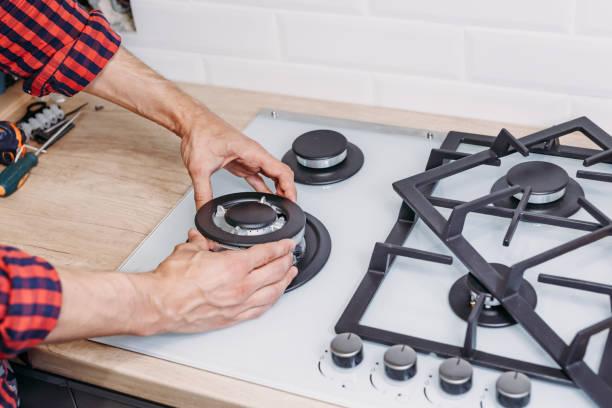
A stove top is an essential appliance in any kitchen, playing a crucial role in cooking and meal preparation. However, like any other kitchen appliance, stove tops can develop issues over time. Whether you’re using a gas or electric stove, problems can range from minor annoyances to major malfunctions. Understanding the most common stove top problems and knowing when to seek professional help can save you time, money, and stress. For complex or recurring issues, stove top repair services are a valuable resource.
In this article, we will discuss the top 10 common stove top problems, their causes, and practical solutions.
1. Burner Not Heating Up
One of the most common issues with stove tops is a burner that doesn’t heat up or takes longer than usual to heat. This problem can affect both electric and gas stove tops.
- Possible Causes:
- Faulty burner element (electric stove).
- Broken igniter or spark module (gas stove).
- Loose or damaged electrical connection.
- Malfunctioning thermostat or control switch.
- Solutions:
- Electric stove: Check the burner coil for visible damage or cracks. If damaged, replace the element.
- Gas stove: Inspect the igniter and ensure there is a steady gas supply. Clean the igniter or replace it if necessary.
- For both types, ensure that the electrical connections are secure, and the thermostat or control switch is functioning correctly.
2. Uneven Heating
Uneven heating can cause frustration during cooking, as certain areas of the stove top may heat up more than others.
- Possible Causes:
- Dirty or clogged burner.
- Worn-out heating element.
- Faulty or damaged burner switch.
- Solutions:
- Clean the burners thoroughly to remove grease or food buildup.
- Check if the burner element is functioning properly. If it is worn out, replace it.
- If the issue persists, inspect the burner switch and control panel for any malfunctions.
3. Stove Top Makes a Popping Sound
A popping sound during use can be alarming but is often caused by certain factors that affect the stove top’s performance.
- Possible Causes:
- Moisture buildup on the burners.
- Cracked or damaged burner coils (electric stoves).
- Gas-related issues, such as a gas leak or a clogged burner port (gas stoves).
- Solutions:
- Electric stove: Check for any cracks in the burner coils. Replace any damaged coils immediately.
- Gas stove: Clean the burner ports to ensure proper gas flow and check for gas leaks.
- Ensure that the burners are completely dry before turning on the stove to avoid moisture-related popping.
4. Stove Top Won’t Turn On
If your stove top won’t turn on at all, it could be caused by several factors, ranging from power issues to faulty wiring.
- Possible Causes:
- Tripped circuit breaker or power failure.
- Faulty ignition system or electrical connection.
- Blown fuse or damaged power cord.
- Solutions:
- First, check the circuit breaker to see if it has tripped. If so, reset it.
- Ensure the stove is properly plugged in and that the power cord is intact.
- If these steps don’t work, contact stove top repair services to inspect the ignition system or internal wiring for damage.
5. Burner Sparks But Doesn’t Light
A gas stove burner that sparks but doesn’t light could be frustrating when you’re trying to cook. This issue is common but can often be fixed with simple troubleshooting.
- Possible Causes:
- Clogged burner ports.
- Faulty igniter or spark module.
- Weak gas flow or gas leak.
- Solutions:
- Clean the burner ports to remove food particles or grease that may be blocking the gas flow.
- Inspect the igniter for any visible damage. Replace the igniter if necessary.
- If the gas flow is weak, check the gas line and connections for leaks. If you suspect a leak, immediately call a professional to handle the situation safely.
6. Stove Top Burner Won’t Turn Off
A burner that doesn’t turn off after being switched off can be dangerous and should be addressed as soon as possible.
- Possible Causes:
- Faulty burner switch or control knob.
- Stuck relay or switch in the control board.
- Malfunctioning safety valve (in gas stoves).
- Solutions:
- Electric stove: Replace the faulty burner switch.
- Gas stove: Inspect the control valve and safety valve. If the valve is malfunctioning, it should be replaced by a professional.
- For both types of stoves, consult stove top repair services if the issue isn’t resolved after basic troubleshooting.
7. Dirty or Stained Stove Top
While not necessarily a functional issue, a dirty or stained stove top can be unsightly and may affect your cooking.
- Possible Causes:
- Spilled food or grease buildup.
- Stubborn stains from cookware or food splashes.
- Solutions:
- Clean the stove top regularly using appropriate cleaning products. For electric stoves, use non-abrasive cleaners to avoid scratching the surface.
- For gas stoves, remove the burner grates and clean them thoroughly, paying attention to any hard-to-reach spots.
8. Gas Stove Smells Like Gas
A gas stove that emits a gas odor is an immediate cause for concern and must be addressed right away to avoid potential hazards.
- Possible Causes:
- Gas leak from burner or hose.
- Clogged burner ports.
- Worn-out seals or valves.
- Solutions:
- Immediately turn off the gas supply and ventilate the area by opening windows and doors.
- Inspect the burner and gas connections for visible leaks.
- If you smell gas but can’t find the source, contact stove top repair services immediately for a thorough inspection and repair.
9. Electric Stove Produces No Heat or Light
When an electric stove produces no heat or light, it can make cooking impossible. This problem may stem from electrical issues that require professional attention.
- Possible Causes:
- Blown fuse or tripped breaker.
- Faulty wiring or connections inside the stove.
- Damaged heating element.
- Solutions:
- Check the fuse or circuit breaker and reset it if necessary.
- Inspect the stove’s wiring for visible damage or loose connections.
- If the heating element is damaged, replace it to restore functionality.
10. Stove Top Overheats
If your stove top is overheating or producing excessive heat, it can be dangerous and may lead to further damage.
- Possible Causes:
- Faulty thermostat.
- Broken or stuck control switch.
- Dirty or malfunctioning temperature sensor.
- Solutions:
- Inspect the thermostat for accuracy and replace it if it’s malfunctioning.
- Clean the temperature sensor to ensure it’s providing correct readings.
- If the control switch is stuck or damaged, replace it to restore proper temperature control.
When to Call Stove Top Repair Services
While some stove top problems can be easily fixed by following basic troubleshooting steps, others require professional expertise. If you encounter persistent issues such as electrical malfunctions, gas leaks, or broken components, it’s best to contact stove top repair services.
Hiring a professional ensures that the problem is diagnosed accurately and repaired safely, preventing further damage or hazards. Technicians can also offer advice on proper stove top maintenance to keep your appliance running smoothly.
Conclusion
Stove tops are reliable kitchen companions, but like any appliance, they can face issues over time. Recognizing the common problems—such as burners not heating, uneven cooking, or gas smells—can help you troubleshoot and resolve the issues quickly. While some problems can be fixed through basic DIY methods, others require the expertise of stove top repair services. Regular maintenance and professional inspections can prevent these issues and ensure your stove top continues to perform optimally for years to come.