Introduction
Hair loss is a significant concern for many women, impacting self-esteem and body image. Whether caused by genetics, hormonal changes, medical conditions, or stress, thinning hair can be distressing. In recent years, scalp micropigmentation (SMP) has gained popularity as a non-invasive solution to restore the appearance of fuller hair. This article explores the details of scalp micropigmentation for women, discussing the procedure, benefits, considerations, and aftercare.
What is Scalp Micropigmentation?
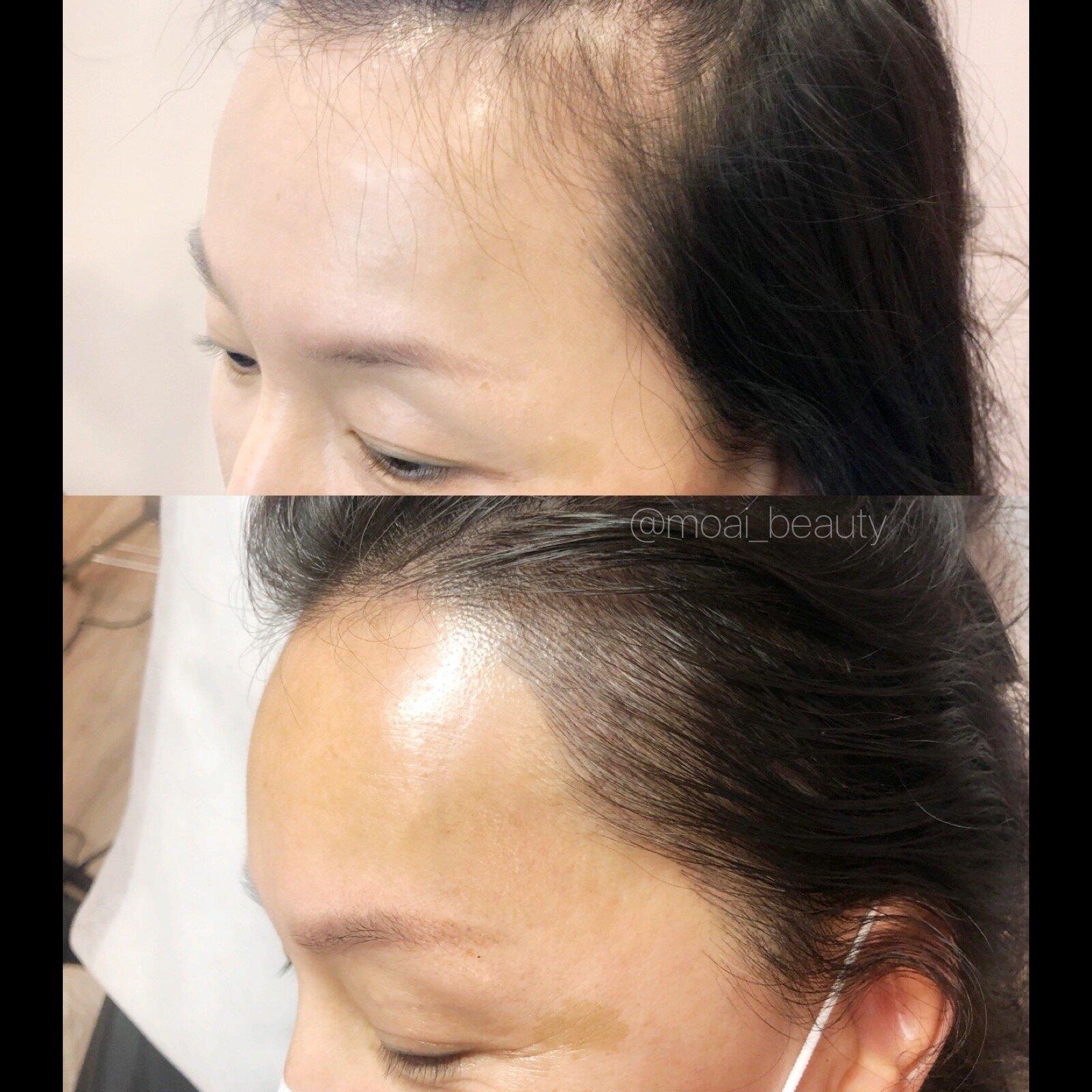
Scalp micropigmentation is a cosmetic procedure that involves the application of specialized pigments to the scalp to create the illusion of hair follicles. This technique replicates the appearance of a fuller head of hair, making it an effective option for women experiencing various forms of hair loss, including androgenetic alopecia, alopecia areata, and thinning hair due to stress or hormonal changes.
How Does SMP Work?
The process of scalp micropigmentation typically consists of several key steps:
- Consultation: The journey begins with a detailed consultation. During this session, the practitioner assesses the client’s hair loss patterns, discusses expectations, and outlines the procedure. It’s crucial for the client to express their desired outcome and any concerns they may have.
- Color Matching: Achieving the right pigment color is essential for a natural look. The practitioner will select pigments that closely match the client’s natural hair color, considering skin tone and hair texture.
- Application: Using a specialized tattoo machine equipped with ultra-fine needles, the practitioner deposits pigment into the upper layer of the scalp. This creates small dots that resemble hair follicles. While some clients may experience mild discomfort, the procedure is generally well-tolerated.
- Aftercare Instructions: After the initial application, the client receives aftercare instructions to ensure proper healing and pigment retention. This typically includes guidelines on avoiding moisture, sun exposure, and certain hair products for a specified period.
- Follow-Up Sessions: Most clients require two to three sessions to achieve the desired results. These follow-up appointments allow the practitioner to refine the look, adjust the density, and ensure consistency across the scalp.
Benefits of Scalp Micropigmentation for Women
Scalp micropigmentation offers numerous advantages for women seeking solutions for hair loss:
1. Non-Invasive Solution
Unlike surgical options such as hair transplants, SMP is non-invasive and does not require anesthesia. This makes it a safer and more accessible option for many women.
2. Instant Results
One of the most appealing aspects of SMP is the immediate transformation. Many clients notice a significant improvement in their appearance right after the first session, leading to increased confidence.
3. Customizable Options
SMP is highly customizable. Practitioners can tailor the hairline design and pigment density to suit each woman’s preferences, whether they desire a natural look or a more pronounced hairline.
4. Long-Lasting Effects
While SMP is not permanent, it can last between four to eight years with proper care. This longevity makes it a worthwhile investment for many women.
5. Boosted Confidence
For many women, hair loss can lead to feelings of insecurity. SMP can dramatically enhance self-esteem, allowing individuals to feel more confident and attractive.
Common Concerns and Considerations
While scalp micropigmentation has numerous benefits, women should consider several factors before undergoing the procedure:
1. Suitability for Skin Types
Not all individuals are suitable candidates for SMP. Women with certain skin conditions, such as eczema or psoriasis, should consult with a dermatologist before proceeding. A skilled practitioner will evaluate the scalp’s health to determine eligibility.
2. Realistic Expectations
It’s essential for clients to have realistic expectations regarding the outcome. While SMP can create the illusion of thicker hair, it does not restore actual hair or prevent further hair loss.
3. Choosing the Right Practitioner
The success of SMP largely depends on the skill and experience of the practitioner. Women should conduct thorough research, read reviews, and view before-and-after photos to ensure they choose a qualified professional.
4. Allergic Reactions
Though rare, some individuals may experience allergic reactions to the pigments used in SMP. Conducting a patch test prior to the procedure can help identify any sensitivities.
5. Aftercare Requirements
Proper aftercare is crucial to achieving optimal results. Clients should follow the practitioner’s guidelines closely to ensure the pigments heal correctly and maintain their vibrancy.
Aftercare Tips for Scalp Micropigmentation
Aftercare is vital for maintaining the results of scalp micropigmentation. Here are some general aftercare tips for women:
1. Keep the Scalp Dry
For the first few days after the procedure, it’s important to keep the scalp dry. This means avoiding swimming, saunas, and intense workouts that may cause excessive sweating.
2. Avoid Sun Exposure
Direct sunlight can fade the pigments over time, so it’s advisable to avoid sun exposure for at least a couple of weeks. Wearing a hat or using a specialized sunscreen can provide protection.
3. Use Gentle Hair Products
Using gentle, sulfate-free shampoos and conditioners is important during the healing process. Avoiding harsh chemicals will help preserve the integrity of the pigments.
4. Follow-Up Appointments
Attending follow-up sessions as recommended by the practitioner is essential for achieving the best results. These appointments allow for any necessary adjustments to the pigment density or hairline.
Conclusion
Scalp micropigmentation is an innovative and effective solution for women experiencing hair loss. Its non-invasive nature, immediate results, and customizable options make it a popular choice for those looking to regain confidence and a youthful appearance. However, it’s essential to consider all factors, including skin type, practitioner qualifications, and aftercare requirements, before committing to the procedure. With the right approach, scalp micropigmentation for women can be a transformative experience, helping women feel empowered and beautiful once again.
As more women embrace this technique, it becomes clear that scalp micropigmentation is not just a cosmetic procedure; it’s a pathway to renewed self-esteem and personal expression. Whether you’re facing thinning hair, bald spots, or simply seeking a fuller look, SMP could be the answer you’ve been looking for.