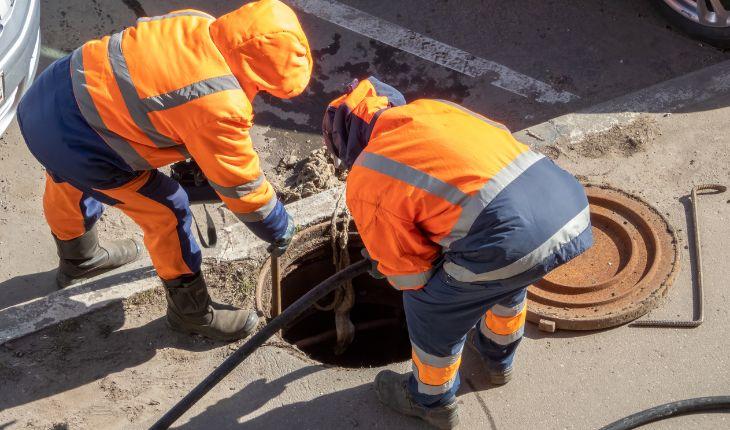
Beneath our roads, sidewalks, and buildings lies a complex and often invisible network of essential infrastructure—gas pipelines, water lines, fiber optics, electric cables, and sewage systems. As urban areas expand and infrastructure projects multiply, knowing exactly where these utilities are is not just important—it’s absolutely vital. This is where underground utility mapping steps in as a critical practice in modern urban planning and construction.
Underground utility mapping is more than just locating pipes and cables. It’s a science of precision, a method of risk mitigation, and a roadmap to safe and efficient project execution. It prevents accidental strikes, saves valuable time, avoids costly repairs, and ensures the safety of workers and the public. With technology advancing rapidly, utility mapping has evolved into a high-tech, detail-rich process that blends ground-penetrating radar, electromagnetic locators, GPS systems, and digital mapping tools—all working together to provide an accurate underground blueprint.
Expert Market Research Highlights the Rise in Utility Mapping Practices
According to Expert Market Research, the increasing frequency of urban development projects and the global push for smart cities are driving a surge in underground utility mapping demands. As governments and private firms prioritize infrastructure sustainability and safety, accurate subsurface data has become indispensable. The report emphasizes that precision mapping not only minimizes operational disruptions but also supports the integration of advanced construction technologies like BIM (Building Information Modeling), making underground utility mapping a cornerstone of future-ready infrastructure planning.
Why Getting It Right Matters More Than Ever
Digging blind is no longer an option. One wrong move during excavation can cause service interruptions, hazardous leaks, or even severe accidents. Underground utility mapping removes this guesswork. With a well-executed map, contractors and engineers can visualize subsurface networks, identify potential conflicts, and adjust plans accordingly.
This practice is especially crucial in older cities where utility records may be outdated or inaccurate. Mapping the actual locations of utilities helps bridge this gap between paper records and real-world layouts. It also aids in long-term asset management, allowing municipalities and developers to keep track of infrastructure health and plan for future upgrades.
Technologies Powering the Modern Utility Map
Gone are the days of rudimentary utility detection. Today’s underground mapping relies on a fusion of advanced technologies. Ground Penetrating Radar (GPR) allows for deep scans of non-metallic objects like plastic pipes. Electromagnetic locators are ideal for detecting live cables and metal utilities. GPS and GIS integration bring these findings to life on dynamic digital maps, offering a three-dimensional, geo-referenced representation of the underground environment.
This digital transformation allows utility data to be stored, shared, and updated in real-time. Field crews, planners, and engineers can access the same data, reducing errors and streamlining communication. The more detailed and accurate the map, the fewer surprises there are when the digging begins.
Applications Beyond Construction Sites
While underground utility mapping is an indispensable tool in construction, its benefits stretch far beyond. Urban planners use it to plan new roadways and transit systems. Environmental engineers rely on it to ensure utility systems don’t interfere with natural water flow or protected land. Emergency response teams may use underground maps to navigate utility layouts during disaster response or crisis management situations.
Moreover, telecom companies depend on it to avoid damaging underground cables while laying new fiber lines. Water departments use it to locate old pipes before upgrades. The possibilities are vast, making it a universal necessity in today’s interconnected infrastructure world.
Sustainability, Efficiency, and Cost Savings—All in One Map
At its core, underground utility mapping is about doing more with less. By avoiding redundant digs and unplanned interruptions, it cuts down on fuel use, labor hours, and material waste. This makes projects more sustainable, cost-effective, and environmentally conscious.
In cities pushing for carbon-neutral goals, utility mapping serves as a tool to reduce ecological disruption during infrastructure expansion. It aligns well with green construction principles, making it a forward-thinking solution in today’s sustainability-driven world.
The Future of Mapping Lies Beneath Our Feet
As cities grow vertically and horizontally, the underground space becomes more congested and complex. The need for detailed, accurate, and accessible mapping will only intensify. Innovations like LiDAR integration, augmented reality visualization, and AI-driven analysis are already reshaping how we interact with subsurface data.
Imagine overlaying utility maps through AR glasses while walking a job site—seeing in real-time where the cables and pipelines run beneath your feet. This isn’t science fiction anymore—it’s the next evolution of underground utility mapping.
Mapping for a Safer, Smarter Tomorrow
In a world built on hidden infrastructure, underground utility mapping is the unsung hero of safe development. It combines technology, safety, precision, and foresight into one essential practice. From avoiding disaster to ensuring seamless construction execution, mapping what lies below the surface is now as important as what stands above it.
As we continue to build smarter cities and stronger infrastructure, underground utility mapping will remain a foundational step—quietly powering progress, one scan at a time.