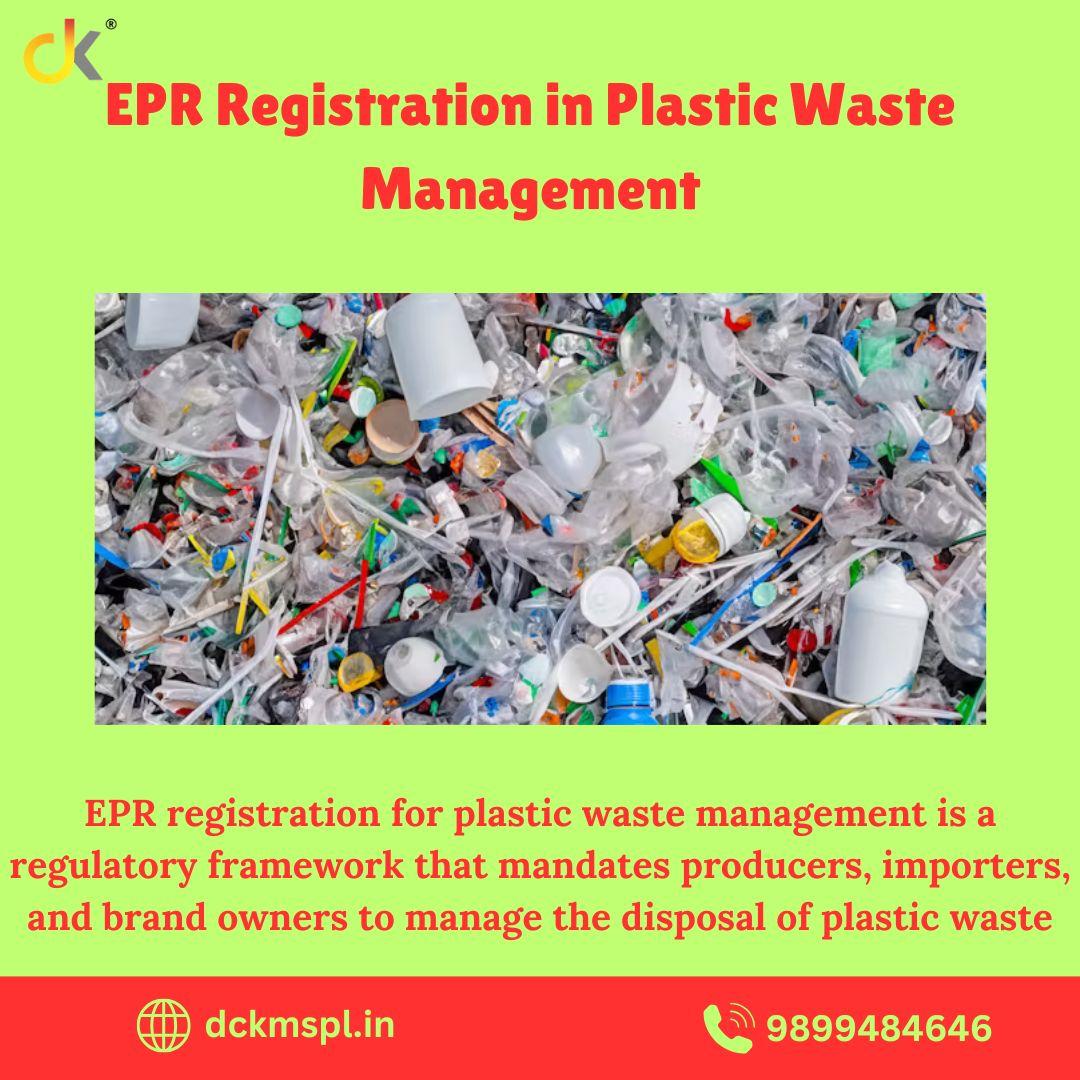
Plastic waste has become a significant environmental concern worldwide, with millions of tons generated every year. To combat this issue, governments have introduced regulations that promote sustainable waste management practices. One such regulatory framework is Extended Producer Responsibility (EPR) for plastic waste management. This article delves into the details of EPR registration, its benefits, challenges, and the steps involved in managing plastic waste responsibly.
What is EPR Registration?
EPR registration for plastic waste management is a policy approach that holds producers, importers, and brand owners accountable for the entire lifecycle of their products, including post-consumer waste management. Under EPR, businesses that produce or use plastic packaging must take responsibility for collecting, recycling, and disposing of plastic waste in an environmentally friendly manner. EPR registration is a mandatory requirement for companies operating in sectors such as manufacturing, retail, and import/export that generate significant amounts of plastic waste.
Importance of EPR Registration for Plastic Waste Management
EPR registration is crucial for addressing the growing plastic waste problem in several ways:
- Promotes Recycling and Reuse: EPR registration encourages companies to adopt sustainable practices, such as recycling and reusing plastic materials, thus reducing the amount of plastic that ends up in landfills or the environment.
- Reduces Plastic Pollution: By ensuring that companies are responsible for the disposal of their plastic products, EPR registration helps reduce plastic pollution in oceans, rivers, and urban areas. Proper waste management also minimizes the harmful effects of plastic on wildlife and ecosystems.
- Supports the Circular Economy: EPR fosters a circular economy by promoting the idea of designing products that can be recycled or reused. This approach reduces the demand for new raw materials and conserves natural resources.
- Compliance with Regulations: Companies that engage in EPR registration ensure they comply with local, national, and international waste management regulations. Non-compliance can lead to legal penalties, financial loss, and reputational damage.
Challenges of EPR Registration for Plastic Waste Management
While EPR registration offers many benefits, it also presents several challenges:
- High Costs of Compliance: Implementing EPR schemes can be costly for businesses, especially small and medium-sized enterprises (SMEs). The expenses associated with waste collection, recycling infrastructure, and compliance documentation can be significant.
- Complex Regulatory Requirements: EPR regulations may vary across different regions and countries, making it challenging for companies operating internationally to comply with various legal requirements.
- Lack of Awareness and Expertise: Many businesses may lack awareness of EPR obligations or expertise in waste management practices. This can result in non-compliance or ineffective implementation of EPR schemes.
- Infrastructure Limitations: In some regions, waste management infrastructure is underdeveloped, making it difficult for companies to implement effective recycling and waste disposal programs.
Steps Involved in EPR Registration for Plastic Waste Management
To successfully implement EPR for plastic waste management, companies need to follow a structured process:
- Assessment of Plastic Usage and Waste Generation: The first step is to evaluate the amount and type of plastic being used and the quantity of waste generated. This helps in understanding the scope of the EPR obligations.
- Registration with the Relevant Authority: Companies must register with the designated regulatory authority, which may be a national or regional environmental agency. This registration is necessary for tracking compliance with waste management laws.
- Preparation of an EPR Plan: Businesses are required to develop an EPR plan that outlines how they will manage the collection, recycling, and disposal of plastic waste. The plan should include details of the waste management partners, recycling methods, and compliance strategies.
- Collaboration with Waste Management Partners: Companies should collaborate with authorized waste management agencies and recycling companies to ensure proper collection, transportation, and processing of plastic waste.
The Role of Government and Industry in EPR Implementation
Governments and industries play a vital role in the successful implementation of EPR for plastic waste management:
- Government Support and Regulation: Governments should provide clear guidelines, support infrastructure development, and enforce EPR regulations. Financial incentives, such as subsidies or tax reductions for companies engaged in recycling, can encourage compliance.
- Industry Collaboration: Industries should work together to develop best practices, share knowledge, and invest in innovative recycling technologies. Collaborative efforts can make EPR schemes more effective and reduce the burden on individual companies.
Conclusion
EPR registration for plastic waste management is a powerful tool for promoting sustainability and reducing the environmental impact of plastic waste. It places the responsibility of waste management on producers and encourages them to adopt eco-friendly practices. Despite the challenges, the benefits of EPR—such as compliance with regulations, reduction of plastic pollution, and support for the circular economy—make it an essential strategy for companies aiming to contribute to a greener planet. By embracing EPR, businesses can not only fulfill their legal obligations but also demonstrate their commitment to environmental stewardship.