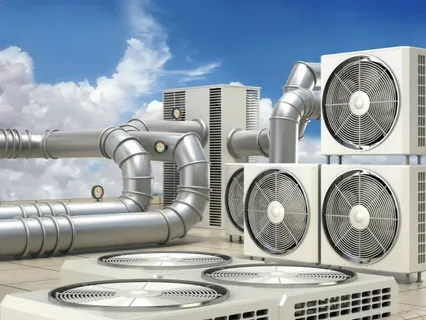
The importance of proper ventilation cannot be overstated when it comes to maintaining a comfortable and healthy home. Imagine coming home after a long day, only to be greeted by stale air or unwanted humidity—certainly not the welcoming environment you deserve! That’s where HVAC system comes into play. They’re not just about temperature control; they’re your home’s silent guardians against indoor air pollution and discomfort. In this comprehensive guide, we’ll dive deep into the world of HVAC ventilation systems, unravelling their complexities and empowering you with the knowledge needed to create an optimal living space.
Introduction to HVAC Ventilation Systems
Every homeowner knows the importance of keeping their living spaces comfortable, but many overlook a crucial element: ventilation. HVAC (Heating, Ventilation, and Air Conditioning) systems play a vital role in maintaining air quality and ensuring fresh air circulates throughout your home. Without proper ventilation, your home can quickly become stuffy or even unhealthy.
Understanding how these systems work can empower you to make informed decisions about your home’s environment. Effective ventilation is key to preventing mold growth and enhancing energy efficiency. Whether you’re building a new house or simply looking to improve your current setup, this guide will illuminate everything you need to know about HVAC ventilation systems and their impact on your daily life. Let’s dive into the world of airflow!
The Importance of Proper Ventilation in a Home
Proper ventilation is crucial for maintaining a healthy home environment. It ensures fresh air circulation, which helps to dilute indoor pollutants. Stale air can harbour allergens, dust, and harmful gases like carbon monoxide. These contaminants accumulate over time without proper airflow, posing health risks to occupants.
Good ventilation also regulates humidity levels. Excess moisture can lead to mould growth and structural damage. You can effectively minimize the risk of such issues by facilitating adequate airflow. Moreover, efficient ventilation systems contribute to energy savings by optimizing heating and cooling processes. A well-ventilated home feels comfortable year-round without straining your utility budget.
Proper ventilation enhances overall indoor air quality, in addition to comfort and safety. Clean air promotes better sleep patterns and boosts productivity during daily activities.
Types of HVAC Ventilation Systems
HVAC ventilation systems come in various types, each serving unique functions. Natural ventilation relies on passive airflow through windows and vents. It’s simple but can be unpredictable. Mechanical ventilation utilizes fans and ducts to actively control air movement. This method ensures consistent airflow regardless of weather conditions.
Exhaust-only systems focus on removing stale air from a home while relying on natural inflow for fresh air. They work well in areas needing humidity control. Supply-only systems push conditioned air into the space without an exhaust mechanism. They are effective when there’s minimal outdoor pollution.
Balanced systems combine supply and exhaust features, maintaining equal pressure inside your home. This approach creates a controlled environment that effectively enhances indoor air quality. Each type has its benefits, depending on your specific needs and circumstances.
– Natural Ventilation
Natural ventilation relies on passive airflow to cool and refresh indoor spaces. It harnesses the power of nature, using windows, doors, and vents to promote air movement.
This system is often found in buildings designed with strategic openings. By positioning these elements wisely, homeowners can encourage a cross-breeze that naturally circulates fresh air throughout their homes. During pleasant weather, natural ventilation helps reduce reliance on mechanical systems. This not only saves energy but also lowers utility bills over time.
Moreover, it enhances indoor air quality by allowing contaminants to escape while bringing in cleaner outdoor air. The benefits extend beyond comfort; they contribute positively to overall health and well-being. While effective for many climates, its efficiency depends greatly on local weather patterns and building design. Understanding how to utilize this method can unlock significant advantages for your living space.
– Mechanical Ventilation
Mechanical ventilation is an essential component of modern HVAC systems. Unlike natural ventilation, which relies on passive airflow, mechanical ventilation actively circulates air using fans and ducts.
This type ensures a consistent exchange of indoor and outdoor air. It can maintain temperature control while enhancing indoor air quality. Drawing fresh air from the outside helps dilute pollutants trapped indoors. The system often includes filters to purify incoming air. This feature reduces allergens and irritants, making your living space healthier.
Mechanical ventilation comes in various configurations, such as exhaust-only or supply-only systems. Each setup has unique benefits tailored to specific home needs. Investing in this technology improves comfort and, when designed correctly, increases energy efficiency. Homeowners can breathe easier knowing their environment is both comfortable and safe.
– Exhaust-only Systems
Exhaust-only systems are designed to expel stale air from your home. They create a negative pressure that pulls fresh air through passive vents or openings. These systems primarily remove indoor pollutants, moisture, and odors. Venting out contaminated air helps maintain a healthier living environment.
One downside is that they rely heavily on the house’s natural airflow. This can sometimes lead to drafts or temperature fluctuations if not properly managed. Installation tends to be simpler and more affordable than other ventilation options. However, homeowners should consider combining them with fresh air intake for balanced airflow. Regular maintenance ensures optimal performance and efficiency. Checking filters and ducts will keep this system working effectively over time.
– Supply-only Systems
Supply-only systems focus solely on delivering fresh air into your home. They draw outdoor air in and distribute it through ducts or vents. This creates a positive pressure, which can help push stale air out naturally. These systems are particularly beneficial for spaces that may lack adequate airflow. They work well in homes with tight building envelopes or where ventilation needs exceed what passive methods provide.
One key advantage is their simplicity. Supply-only systems often require less maintenance without the need for an exhaust component. However, homeowners should ensure they have proper mechanisms to manage humidity levels. While effective at providing fresh air, closely monitoring indoor air quality is essential. Balancing outside air intake with existing conditions ensures comfort and health in your living space without creating drafts.
– Balanced Systems
Balanced systems are designed to provide equal amounts of incoming and outgoing air. This approach creates a stable indoor environment, ensuring fresh air enters while stale air is expelled. One key feature is the use of both supply and exhaust fans. These components work in harmony to maintain optimal pressure levels within your home. By balancing airflow, these systems enhance comfort and improve overall indoor air quality.
Another advantage lies in their energy efficiency. A balanced system minimizes energy loss by preventing drafts or hot spots, which can occur when ventilation isn’t properly managed. Installation can be more complex than other types but offers significant benefits for homeowners seeking consistent climate control. Regular maintenance ensures these systems operate efficiently over time, providing peace of mind regarding your home’s atmosphere.
How Does an HVAC System Work?
An HVAC system operates through a series of interconnected components that ensure fresh air circulation throughout your home. It starts with air intake, where outside air enters the system. This is crucial for maintaining indoor air quality. Once the air is drawn in, it travels through ducts leading to different house areas. Proper distribution helps avoid cold or hot spots, creating a more comfortable living environment.
Filtration plays a vital role next. Air passes through filters that trap dust, allergens, and other pollutants. This step significantly enhances the purity of the circulated air. Air exchange occurs as old indoor air gets expelled while fresh outdoor air flows in. This continuous process keeps your home ventilated and healthy by preventing stagnation and moisture buildup. Regular maintenance ensures each component functions effectively, contributing to overall efficiency and comfort within your space.
– Air Intake and Distribution
Air intake is the first step in a well-functioning HVAC ventilation system. Fresh air enters your home through designated openings or vents. This is essential for maintaining air quality and ensuring sufficient oxygen levels.
Once the fresh air comes in, it must be effectively distributed throughout various rooms. Ductwork plays a critical role here, channelling the airflow from one area to another. The layout of this duct system can influence how evenly air circulates within your space.
Proper distribution helps prevent temperature fluctuations and creates a comfortable living environment. It also ensures that stale or contaminated air gets pushed out efficiently, promoting better indoor health. Regular maintenance of these ducts is crucial for optimal performance. Dust buildup can restrict airflow, leading to inefficiencies that may impact comfort levels in your home.
– Filtration and Purification
Air quality is crucial for a healthy home. That’s where filtration and purification come into play. HVAC systems often incorporate filters to capture dust, pollen, pet dander, and other particles. These filters vary in efficiency levels. HEPA filters are among the best choices for those seeking superior air cleanliness. They can trap even the tiniest allergens. Purification goes beyond simple filtration. Many modern systems use UV light technology or ionizers to eliminate bacteria and viruses in the air.
Regularly changing your filters ensures optimal system performance. Clogged or dirty filters can lead to reduced airflow and increased energy bills. Investing time in understanding these components can significantly improve indoor air quality. A well-maintained HVAC system keeps you comfortable and promotes better health throughout your living space.
– Air Exchange and Circulation
Air exchange and circulation are vital components of an effective HVAC ventilation system. They ensure that fresh air continuously replaces stale indoor air, which helps maintain a healthy living environment. In this process, outdoor air enters the home while indoor air is expelled. This constant flow prevents the buildup of pollutants and allergens, improving overall air quality.
Proper circulation means that every room receives adequate airflow. If stagnant areas lack proper ventilation, they can become breeding grounds for mould and odours. Efficient systems utilize fans to enhance airflow patterns throughout the house. Design considerations such as duct layout play a significant role in ensuring even distribution. Monitoring your system’s performance can help identify any issues with air exchange or circulation early on, leading to timely maintenance and repairs before problems escalate.
Benefits of a Well-Maintained HVAC Ventilation System
A well-maintained HVAC ventilation system ensures optimal air quality in your home. It reduces pollutants, dust, and allergens circulating indoors, creating a healthier environment for you and your family. Energy efficiency is another significant benefit. Proper maintenance allows the system to operate at peak performance, reducing energy consumption and lowering utility bills.
Consistent airflow helps regulate temperature more effectively. This means less strain on your heating and cooling units, extending their lifespan. Additionally, regular upkeep can prevent costly repairs down the line. Identifying issues early keeps your system running smoothly without unexpected breakdowns. Lastly, enhanced comfort levels are a key advantage of good ventilation practices. Balanced humidity and fresh air create an inviting atmosphere throughout your living spaces.
Tips for Maintaining Your HVAC Ventilation System
Check and replace your air filters regularly. Clogged filters can restrict airflow, making your system work harder than necessary. This simple action ensures better indoor air quality.
Inspect ductwork for leaks or blockages. Sealing gaps will improve efficiency and reduce energy bills. Proper airflow is crucial for maintaining a balanced climate in your home. Keep the area around vents clear of obstructions. Furniture, curtains, or other items can hinder performance. Allowing unobstructed airflow enhances the effectiveness of your ventilation system.
Schedule routine professional maintenance at least once a year. Technicians can identify potential issues before escalating and ensure that components function optimally. Consider investing in smart technology to monitor air quality and system performance remotely. These devices provide insights that help you maintain an efficient environment tailored to your needs.
Conclusion
Understanding HVAC ventilation systems is crucial for every homeowner. Proper ventilation plays a significant role in maintaining indoor air quality and comfort. It ensures you breathe clean air while preventing moisture buildup, which can lead to mould and other issues. By familiarizing yourself with the different types of ventilation systems—natural, mechanical, exhaust-only, supply-only, and balanced—you can make informed decisions about what best suits your home’s needs. Each system has its advantages depending on factors like climate and house design.
FAQs
1. What is HVAC?
HVAC stands for Heating, Ventilation, and Air Conditioning. It is a system that provides heating and cooling to indoor spaces and maintains proper air quality.
2. Why is ventilation important in an HVAC system?
Ventilation is critical in an HVAC system by circulatin,gas it providesnd removing stale air from removese. This helps maintain healthy indoor air quality and prevents the buildup of pollutants and allergens.
3. How often should I change my HVAC filters?
Changing your HVAC filters every 1-3 months is recommended, depending on your usage and filter type. A clogged or dirty filter can restrict airflow, reduce efficiency, and even lead to system breakdowns.