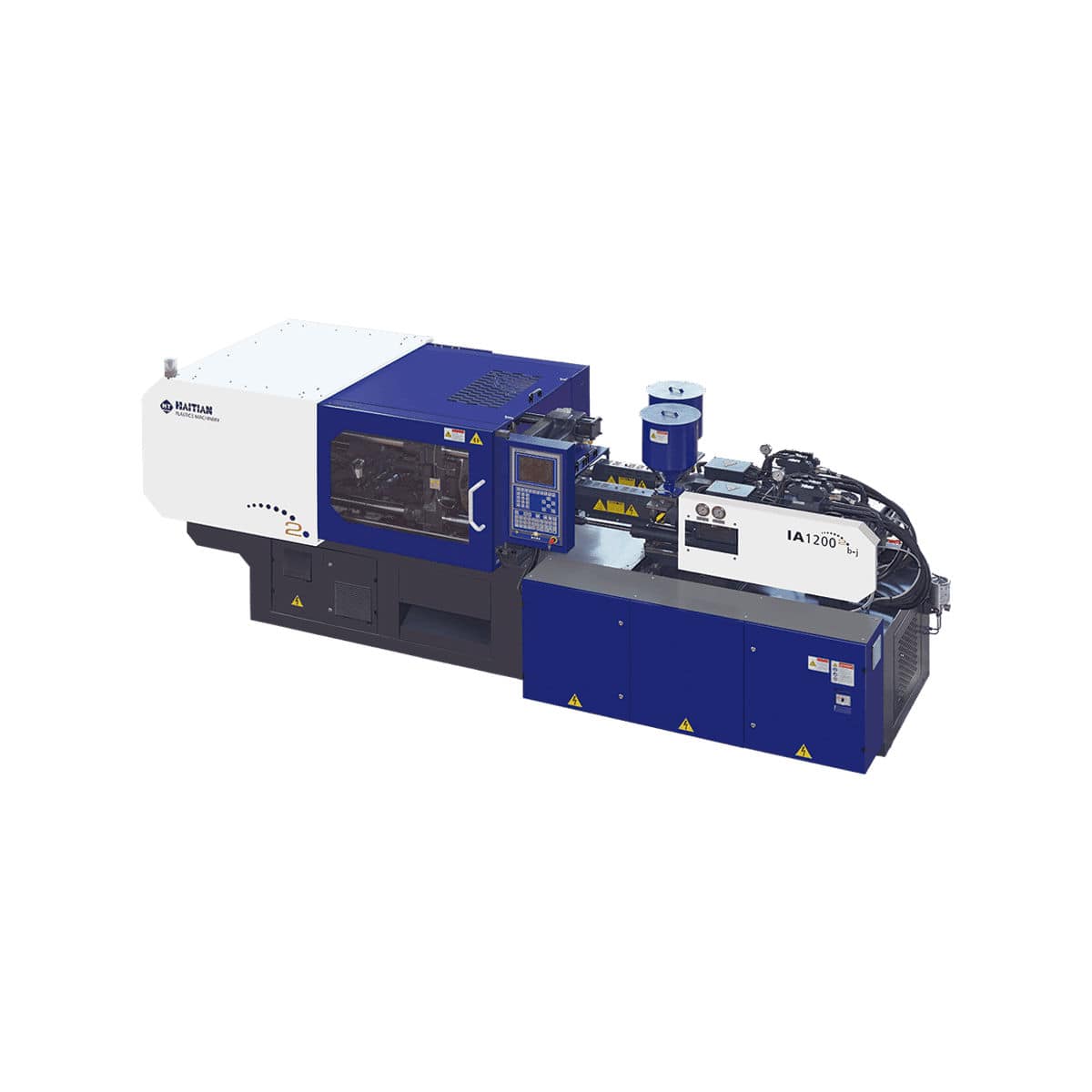
Injection moulding machines are pivotal in modern manufacturing, revolutionizing the production of plastic parts across industries. This guide explores the types of injection moulding machines, their applications, and the significant benefits they offer to manufacturers. These machines are an essential part of the manufacturing industry. They are used to produce a wide range of products, from small disposable items to large automotive parts. Injection moulding is a manufacturing process where molten plastic material is injected into a mould to form a desired shape.
The process of injection moulding involves several key components, including the plastic granules, the barrel and screw, the mold, and the clamping unit. The plastic granules are fed into the machine through a hopper, where they are heated and melted by a heating element. The molten plastic is then injected into a closed mold under high pressure using a screw mechanism. Once the plastic has cooled and solidified in the mold, it is ejected from the machine as a finished product.
Types of Injection Moulding Machines
Hydraulic Injection Moulding Machines
Hydraulic machines are the most traditional type and have been used in the industry for decades. They operate using hydraulic pumps that drive the screw and clamping units. These machines are known for their robust performance and ability to handle large moulds. However, they can be less energy-efficient compared to other types.
Electric Injection Moulding Machines
Electric machines, also known as all-electric machines, use electric servo motors to power the machine components. They are highly precise and energy-efficient, making them suitable for applications requiring high accuracy and repeatability. Additionally, electric machines tend to have a quieter operation and faster cycling times.
Hybrid Injection Moulding Machines
Hybrid machines combine elements of both hydraulic and electric technologies. They utilize electric motors for specific operations such as injection and screw rotation while relying on hydraulics for clamping. This combination provides the benefits of both systems, offering high energy efficiency, precision, and the capability to handle more substantial moulds.
Each type of injection moulding machine has its own set of advantages and is chosen based on the specific requirements of the manufacturing process, such as the nature of the product, production speed, and energy efficiency needs.
Applications of Injection Moulding Machines
Injection moulding machines are widely used in various industries, including automotive, consumer goods, medical, and packaging. Some common applications include:
- Automotive industry: Injection moulding machines are used to produce various parts for cars, such as bumpers, dashboards, and interior panels.
- Consumer goods: Many household items, such as plastic containers and toys, are made through injection moulding.
- Medical industry: Medical devices and equipment, such as syringes and medical trays, are often produced using injection moulding.
- Packaging industry: Injection moulding machines are used to produce a wide range of packaging materials, including bottles, caps, and containers.
- Electronics industry: Electronic components, such as computer keyboards and phone cases, are commonly made using injection moulding machines.
In conclusion, injection moulding machines play a crucial role in the manufacturing process of a wide range of products. With advancements in technology, these machines continue to evolve and offer more efficient and precise production capabilities. As industries continue to innovate and develop new products, the demand for injection moulding machines will only continue to grow. So, it is essential for manufacturers to stay updated with the latest technology and trends in injection moulding machines to stay competitive in the market.
Benefits of Plastic Injection Moulding Machines
Plastic injection moulding machines offer numerous advantages that make them a vital part of modern manufacturing processes:
- High Efficiency: Once the initial design and moulds are created, the actual production process is extremely fast, allowing for the mass production of parts with consistent quality.
- Precision and Consistency: Injection moulding machines can produce highly complex and intricate parts with tight tolerances, ensuring each unit is virtually identical to the next.
- Cost-Effectiveness: After the initial investment in mould creation, the production costs are relatively low, especially when manufacturing large volumes of parts. This makes injection moulding a cost-effective solution for long production runs.
- Material Versatility: These machines can handle a wide range of materials, from different types of plastics to various composites, allowing manufacturers to choose the best material for their specific application.
- Reduced Waste: The efficient use of raw materials and the ability to recycle scrap plastic back into the manufacturing process help reduce waste, making injection moulding an environmentally friendly option.
- Enhanced Strength: Injection moulding allows for the addition of fillers to the base plastic material, which can enhance the strength and durability of the final product. This is particularly beneficial for parts that need to withstand high stress or harsh conditions.
- Design Flexibility: Injection moulding supports complex designs and can incorporate multiple elements into a single part, reducing the need for assembly and increasing product reliability.
These benefits make plastic injection moulding machines an indispensable tool in various industries, facilitating the production of high-quality, durable products while maintaining economic efficiency.