A commercial paint job is more than a surface upgrade. It’s an investment in your brand image, customer experience, and property maintenance. Whether you’re refreshing a retail space, office building, or industrial unit, the outcome impacts how your business is perceived.
Expecting professional results means knowing what the process involves. A successful commercial painting project combines expert planning, high-quality materials, and skilled execution. Every phase plays a role in achieving a long-lasting, visually impressive finish.
If you’re looking for reliable professionals, Colorkote are best commercial painting contractors in Bournemouth with a strong reputation for quality results.
Initial Consultation and Site Assessment
The process begins with a detailed consultation. The painting contractor visits your premises to assess the scale of the job, surface conditions, and your specific needs. This is when goals, expectations, and timelines are discussed.
At this stage, the contractor will inspect for any damage, moisture issues, or surface irregularities. Understanding these conditions early helps avoid surprises later. They’ll also consider building use, access challenges, and scheduling needs to avoid business disruption.
This consultation forms the foundation for an accurate quote and tailored project plan.
Detailed Proposal and Cost Estimate
After the initial site visit, you’ll receive a clear, itemised proposal. This includes a breakdown of costs for labour, materials, surface preparation, and any additional services. The quote should also cover health and safety measures, especially for active business premises.
A professional contractor won’t just throw out a number. They’ll explain the reasoning behind each cost so you understand where your money is going. This helps you plan your budget confidently and avoid unexpected charges.
Surface Preparation
Preparation is often the most time-consuming but important part of the job. Quality results rely on how well surfaces are cleaned, repaired, and primed before paint ever touches the wall.
This can include:
- Power washing exterior surfaces
- Filling cracks and holes
- Sanding or scraping off old paint
- Applying primer where needed
Proper prep ensures better adhesion, smoother finishes, and longer-lasting results. Cutting corners here can lead to peeling, blistering, and a shortened paint lifespan.
Choosing the Right Paint and Finish
Commercial spaces need paints that match their usage. Office interiors might focus on aesthetics and clean finishes, while industrial settings require durability and resistance to wear.
Your contractor should guide you through choosing the right paint for your environment. Factors like foot traffic, humidity, exposure to sunlight, and even brand colours can influence the choice.
Low-VOC or zero-VOC paints are popular for their low odour and safer indoor air quality, especially in workplaces, healthcare settings, or schools.
Project Timeline and Scheduling
Before work begins, the contractor will provide a project schedule. This outlines when different parts of the job will be completed and how the team will minimise disruption.
Commercial painting often requires flexible scheduling. Some jobs are done after hours, on weekends, or in phases to keep businesses operational during the process.
Professional painters stick to timelines and communicate clearly about progress or changes. Staying on schedule means less stress and faster return to full operations.
Safety and Compliance Measures
Safety is a major concern in any commercial environment. Painters working at height or with hazardous materials must follow strict safety protocols.
Expect contractors to use the correct equipment, PPE, and signage to ensure a safe workspace for both workers and your staff or customers. They should also comply with building regulations, environmental standards, and insurance requirements.
A qualified team puts safety first, protecting your people and your property throughout the process.
Application and Finishing Touches
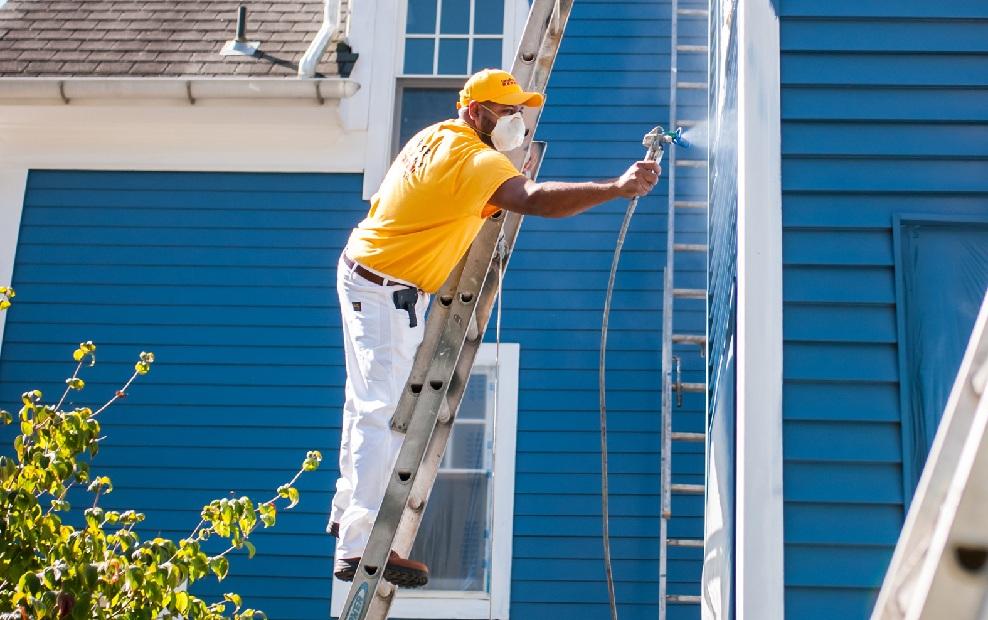
This is the visible stage where the new look comes to life. Professionals apply paint using the best method for the surface and project type. This could include rollers, brushes, or spray techniques, depending on what delivers the cleanest, most consistent finish.
Multiple coats may be needed for full coverage and colour depth. Once the paint is dry, touch-ups and detail work are handled to create a polished appearance.
Experienced painters take pride in the final finish, leaving edges clean, lines sharp, and colours even across every surface.
Clean-Up and Final Inspection
Once the job is complete, a full clean-up takes place. Tools, drop cloths, tape, and any paint containers are removed from the site. Surfaces are wiped down, floors swept, and any waste is disposed of responsibly.
The contractor then conducts a final inspection with you to ensure everything meets your expectations. You’ll be walked through the completed work to confirm quality and catch any last-minute issues.
This walkthrough is your chance to ask questions and learn how to care for your newly painted surfaces.
Long-Term Maintenance Advice
A good contractor won’t just pack up and disappear. They’ll offer practical advice on how to extend the life of your paint job. This can include tips on cleaning, touch-up schedules, and when to consider a future refresh.
Depending on the environment, commercial paint can last several years. Regular maintenance and occasional updates can keep your space looking professional and inviting over the long term.
What You Should Look for in a Contractor
To ensure your commercial paint job goes smoothly, choose a contractor with:
- A strong local reputation
- Commercial painting experience
- Full insurance and safety certification
- Transparent quoting and communication
- High-quality materials and tools
These factors can make the difference between a paint job that fades fast and one that holds up for years.
Final Thoughts
A commercial paint job is more than a fresh coat. It’s a strategic upgrade that affects how your customers, staff, and community see your business. Knowing what to expect at every stage helps you plan with confidence and avoid costly mistakes.