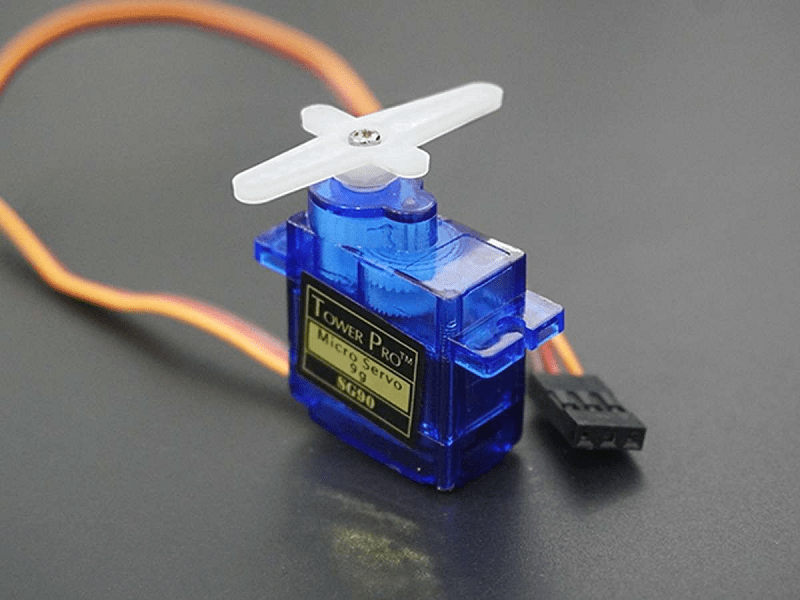
Servo motors are critical components in a variety of industries, driving everything from robotics to automated manufacturing. As technology advances, the demand for precise, reliable motion control systems has grown, making servo motors an essential part of modern industrial operations. For importers, understanding the nuances of the servo motor market is crucial for making informed decisions, optimizing supply chains, and meeting the needs of diverse clients.
What are Servo Motors?
Servo motors are a type of motor that provides high-precision control of angular or linear position, velocity, and acceleration. They are equipped with a feedback sensor that allows for accurate control of their motion, making them ideal for applications requiring precise positioning, speed control, and torque. The feedback system typically includes an encoder or resolver that continuously monitors the motor’s position, ensuring it stays on track with the desired command.
There are three main types of servo motors: AC, DC, and brushless DC (BLDC). Each type has its unique characteristics:
- AC Servo Motors: Known for their durability and ability to handle high power, AC servo motors are commonly used in industrial automation, robotics, and CNC machinery. They offer excellent performance in high-torque applications and are preferred for their reliability.
- DC Servo Motors: DC servo motors are often used in applications where lower power and high precision are required. They are favored for their simple design, ease of control, and smooth operation.
- Brushless DC Servo Motors: BLDC motors are more efficient than their brushed counterparts, offering longer life spans, higher speeds, and lower maintenance requirements. They are widely used in robotics, medical devices, and other applications where high efficiency and reliability are essential.
The Global Servo Motor Market
The global servo motor importers market is experiencing robust growth, driven by increasing automation across various industries, including manufacturing, automotive, aerospace, and healthcare. The rise of Industry 4.0, which emphasizes smart manufacturing and digitalization, has further propelled the demand for servo motors.
Asia-Pacific, particularly China and Japan, is a major hub for servo motor production, contributing significantly to global supply. North America and Europe also play key roles, both as manufacturers and consumers, with high demand in sectors such as robotics, automotive, and aerospace.
For importers, this global landscape presents both opportunities and challenges. Navigating the market requires an understanding of regional production capabilities, quality standards, and emerging trends in automation and technology.
Key Considerations for Servo Motor Importers
- Quality Standards and Certifications: Importing servo motors involves ensuring that the products meet the required quality standards and certifications for your target market. For instance, in the European Union, servo motors must comply with the CE marking, indicating conformity with health, safety, and environmental protection standards. In the United States, UL certification is often required.Importers should work closely with manufacturers to verify that the motors meet these standards and that all necessary documentation is provided. This not only ensures compliance but also builds trust with customers who rely on high-quality, reliable products.
- Supplier Relationships: Establishing strong relationships with reputable suppliers is crucial for successful importing. Importers should seek out manufacturers with a proven track record of producing high-quality servo motors, offering competitive pricing, and providing reliable delivery schedules.It’s important to conduct thorough due diligence, including factory visits, to assess the production capabilities and quality control processes of potential suppliers. Additionally, negotiating favorable terms, such as warranties and after-sales support, can help mitigate risks and ensure a steady supply of products.
- Market Demand and Trends: Understanding the demand for different types of servo motors in your target market is essential for making informed purchasing decisions. For example, the rise of electric vehicles has increased demand for BLDC motors, while the growth of industrial automation continues to drive demand for high-torque AC servo motors.Keeping an eye on emerging trends, such as the adoption of collaborative robots (cobots) and smart manufacturing systems, can help importers anticipate market shifts and adjust their product offerings accordingly.
- Logistics and Supply Chain Management: Efficient logistics and supply chain management are critical for importing servo motors. Importers need to coordinate with manufacturers, freight forwarders, and customs brokers to ensure timely delivery of products while minimizing costs.It’s important to factor in lead times, shipping costs, and potential delays when planning imports. Additionally, having a robust inventory management system in place can help importers balance supply with demand, reducing the risk of stockouts or excess inventory.
- Regulatory Compliance: Importing servo motors involves navigating various regulatory requirements, including customs duties, import taxes, and trade agreements. Importers should be familiar with the regulations in their target market and work with customs brokers to ensure compliance.Understanding the implications of trade agreements, such as free trade zones or preferential trade agreements, can also help importers reduce costs and streamline the import process.
Challenges and Opportunities
While the servo motor market presents significant opportunities, importers must also be prepared to face challenges. These can include fluctuations in currency exchange rates, changes in trade policies, and disruptions in the global supply chain. The COVID-19 pandemic, for instance, highlighted the vulnerabilities in global supply chains, prompting many companies to reassess their sourcing strategies and diversify their supplier base.
On the other hand, technological advancements and the increasing adoption of automation provide new opportunities for growth. Importers who stay ahead of these trends and adapt to changing market conditions will be well-positioned to succeed.
For example, the integration of Internet of Things (IoT) technology in servo motors is creating new possibilities for remote monitoring and predictive maintenance. Importers who offer IoT-enabled servo motors can differentiate themselves in the market and meet the growing demand for smart, connected devices.
Case Study: Successful Servo Motor Importing
To illustrate the potential success in the servo motor importing business, consider the case of a mid-sized European importer that specializes in supplying servo motors to the automotive and robotics industries. By establishing strong relationships with reliable manufacturers in Japan and Taiwan, the company was able to secure a steady supply of high-quality servo motors at competitive prices.
The importer invested in a robust logistics and inventory management system, allowing them to respond quickly to customer orders and maintain optimal stock levels. They also stayed ahead of market trends by offering IoT-enabled servo motors, which became a key selling point as more customers sought smart solutions.
As a result, the company grew its market share and became a trusted supplier in the region, demonstrating the importance of strategic planning, supplier relationships, and market awareness in the servo motor importing business.
Conclusion
The servo motor market offers significant opportunities for importers, driven by the growing demand for automation and precise motion control across various industries. However, success in this market requires a deep understanding of product types, quality standards, supplier relationships, and market trends.
By focusing on these key areas, importers can navigate the complexities of the global servo motor market, optimize their supply chains, and deliver high-quality products that meet the needs of their customers. Whether you are a seasoned importer or new to the business, staying informed and adaptable is key to thriving in this dynamic and evolving market.