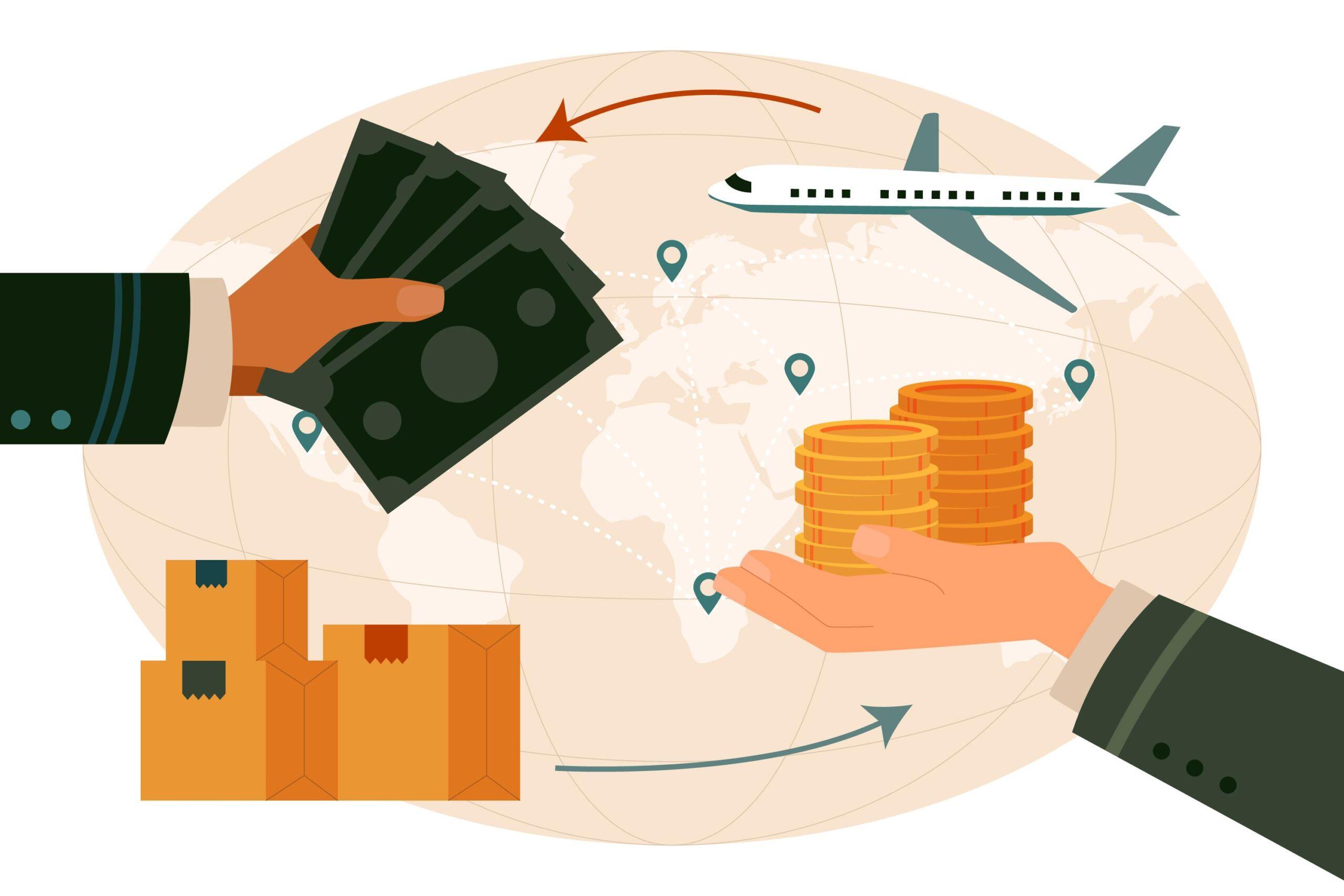
Freight forwarders are an essential part of global trade and the logistics industry, acting as intermediaries between shippers and transportation services. Their expertise and comprehensive understanding of the shipping process enable them to provide invaluable support to businesses navigating the complexities of international and domestic cargo transport. This guide explains the role of freight forwarders, their benefits, and how they help streamline the shipping process.
What is a Freight Forwarder?
A freight forwarder is a company or individual that coordinates the logistics and transportation of goods on behalf of businesses or individuals. They do not move the cargo themselves; instead, they use their network of carriers—including trucking companies, ocean liners, airlines, and rail operators—to facilitate the transport of goods. Freight forwarders manage all aspects of the shipping process, from paperwork and customs clearance to finding the most cost-effective and efficient shipping routes.
Key Responsibilities of a Freight Forwarder
- Route Planning and Carrier Selection
- Freight forwarders use their industry knowledge to select the best routes and carriers for a shipment, considering factors such as cost, transit time, and reliability. By negotiating competitive rates with carriers, they help businesses secure cost-effective transport options.
- Documentation and Compliance
- International shipping requires extensive documentation, such as bills of lading, commercial invoices, packing lists, and export licenses. Freight forwarders handle this paperwork to ensure it meets all regulatory requirements, minimizing the risk of delays or penalties due to non-compliance.
- They also assist with customs clearance by preparing and submitting documents, paying duties, and handling inspections when necessary.
- Cargo Insurance
- Freight forwarders can arrange cargo insurance to protect shipments against potential loss or damage during transit. This service provides peace of mind for businesses, knowing their goods are covered if unforeseen issues arise.
- Warehousing and Storage Solutions
- Some freight forwarders offer warehousing and storage services, which can be helpful for businesses needing short-term storage before or after shipping. These facilities are often equipped with security and temperature controls to ensure the safe handling of various types of goods.
- Consolidation Services
- For smaller shipments, freight forwarders may offer consolidation services, combining multiple shipments into one larger shipment to reduce shipping costs. This process, known as groupage, allows businesses to save money while still benefiting from secure and efficient shipping.
- Tracking and Communication
- Freight forwarders provide tracking services so businesses can monitor their shipments in real time. They act as the main point of contact throughout the shipping process, updating clients on the status of their cargo and alerting them to any potential delays or issues.
Benefits of Using a Freight Forwarder
- Expertise and Industry Knowledge
- Freight forwarders bring a wealth of knowledge about shipping routes, carriers, and regulations. This expertise is especially valuable for businesses new to international trade, as it helps them avoid common pitfalls and navigate complex regulations smoothly.
- Cost Savings
- By leveraging their relationships with various carriers, freight forwarders can negotiate better shipping rates than businesses typically could on their own. This can lead to significant cost savings, especially for small to medium-sized enterprises (SMEs).
- Time Efficiency
- Coordinating a shipment involves a multitude of tasks, from securing carrier bookings to handling customs documentation. Freight forwarders streamline these processes, saving businesses time and reducing administrative burdens.
- Reduced Risk of Delays
- With their comprehensive understanding of global shipping regulations and practices, freight forwarders help mitigate the risk of delays caused by incomplete or incorrect paperwork, customs issues, or logistical challenges.
- Scalability
- Freight forwarders offer services that can scale with a business’s needs. Whether a company ships a few containers a year or has frequent shipments, a freight forwarder can adjust their services to fit the level of support required.
Types of Freight Forwarders
1. Air Freight Forwarders
- Specialize in the logistics of air cargo, ensuring that shipments meet airline regulations and are transported quickly and efficiently. Ideal for time-sensitive or high-value shipments.
2. Ocean Freight Forwarders
- Handle sea shipments, which are often more complex due to longer transit times and more extensive documentation. They are experts in finding the best routes, managing full container load (FCL) and less than container load (LCL) shipments, and ensuring compliance with maritime regulations.
3. Domestic Freight Forwarders
- Focus on arranging and managing ground transport within a country. They handle truckload, less-than-truckload (LTL), and rail shipments, providing door-to-door delivery services.
4. Multimodal Freight Forwarders
- Offer integrated solutions that use multiple modes of transport—such as a combination of air, sea, and land—to deliver goods. This type of forwarding is often used for complex shipments that require flexible, cross-border transport solutions.
How to Choose the Right Freight Forwarder
1. Assess Your Business Needs
- Understand your shipping requirements, including the type of goods, volume, and frequency of shipments. Choose a freight forwarder that specializes in the specific services you need, whether it’s air, sea, or multimodal transport.
2. Check Experience and Reputation
- Work with a freight forwarder that has a proven track record in your industry. Reading client testimonials and seeking recommendations can provide insight into their reliability and service quality.
3. Ensure Proper Licensing and Certification
- Verify that the freight forwarder holds the necessary licenses and certifications for the regions they operate in. For international shipping, look for membership in organizations such as the International Federation of Freight Forwarders Associations (FIATA).
4. Review Their Network and Partnerships
- A well-established freight forwarder should have strong partnerships with carriers and a global network of agents. This network ensures that your goods are handled professionally at every stage of the journey.
5. Confirm Insurance and Liability Coverage
- Confirm that the freight forwarder offers cargo insurance options and has clear liability terms. This ensures that you’re protected in case of damage or loss during transit.
Common Misconceptions About Freight Forwarders
1. They Move the Cargo Themselves
- One common misconception is that freight forwarders physically move the cargo. Instead, they coordinate the logistics, acting as intermediaries between shippers and carriers.
2. Only Large Businesses Need Freight Forwarders
- Freight forwarders can provide value to businesses of all sizes, from SMEs looking to export for the first time to large corporations managing complex supply chains.
3. They Only Work with Full Container Loads
- Freight forwarders often offer services for smaller shipments, including LCL and air freight consolidations, making their services accessible to businesses with varying shipment sizes.
Conclusion
Freight forwarders play a crucial role in simplifying the complexities of shipping and logistics. By leveraging their expertise, businesses can save time, reduce costs, and minimize the risk of delays or compliance issues. Whether shipping domestically or internationally, working with a trusted freight forwarder can streamline the process and provide peace of mind that your cargo will reach its destination safely and efficiently.