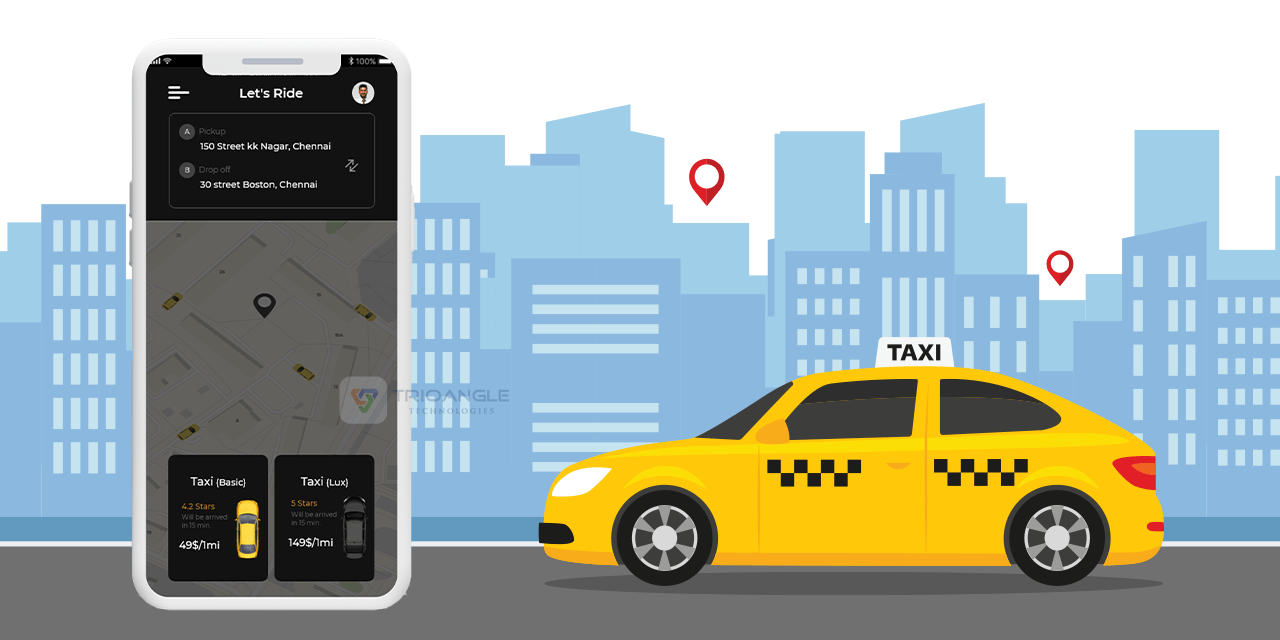
As urban mobility continues to evolve rapidly, Uber like app development has emerged as a strategic opportunity for startups and transportation businesses aiming to capture the on-demand ride-hailing market. With the global shift towards real-time digital services, users now expect seamless experiences, intelligent features, and lightning-fast performance. If you’re planning to enter the market in 2025, it’s critical to understand both the essential features your app must include and the technology stack required to ensure scalability, security, and success.
Core Features Required for Uber-Like App Development
To build a successful ride-hailing platform like Uber, your application must include robust features that cater to both users and drivers, along with admin controls that ensure smooth operation. Here’s a breakdown of essential components:
1. User Registration & Profile Management
Allow users and drivers to register quickly using email, phone number, or social logins. Profiles should include personal information, ride history, payment methods, and preferences.
2. Real-Time GPS Tracking & Map Integration
Integrating real-time GPS tracking is the backbone of any Uber like app development project. It helps users find nearby drivers, track rides, and estimate arrival times accurately. Drivers, in turn, receive optimal route suggestions and traffic alerts.
3. Ride Booking Interface
An intuitive interface should let users easily select pick-up and drop-off locations, view fare estimates, choose vehicle types, and schedule rides.
4. Fare Calculation & Payment Integration
Implement dynamic pricing models considering factors like distance, time, demand, and vehicle category. Integrate secure payment gateways that support credit cards, digital wallets, and even region-specific payment options like UPI or PayPal.
5. Driver & Customer Ratings
Reviews and ratings help maintain service quality and user trust. Both drivers and passengers should be able to review each other after every trip.
6. In-App Chat & Call
Enable communication within the app so users and drivers can coordinate pick-ups without sharing personal contact information.
7. Push Notifications & Ride Alerts
Real-time updates are critical. Use push notifications to confirm rides, alert users when a driver is arriving, or notify about delays, promotions, or payment confirmations.
8. Admin Dashboard
A comprehensive admin panel is vital for managing users, drivers, payments, ride history, support requests, and analytics.
9. SOS Button & Ride Insurance
Safety features like SOS alerts and ride insurance have become standard. Integrate emergency buttons linked to local authorities and ensure your platform has basic ride coverage for accidents.
10. Loyalty Programs & Coupons
Gamification and promotional offers such as ride credits, referral discounts, or seasonal coupons can improve retention and engagement.
Key Technical Stack for Uber-Like App Development
Once you’ve locked down the features, the next step is selecting the right technology stack. Building a scalable and secure ride-hailing platform in 2025 requires using proven frameworks and modern technologies across the front-end, back-end, database, and APIs.
1. Frontend (User Interface)
- Mobile (iOS): Swift with SwiftUI or UIKit
- Mobile (Android): Kotlin with Jetpack Compose
- Cross-Platform Alternative: Flutter or React Native for faster MVP development
- Web Interface: React.js or Angular
2. Backend (Server-Side)
- Languages: Node.js, Python (Django or FastAPI), or Java (Spring Boot)
- Frameworks: Express.js (Node), Flask (Python), or Laravel (PHP)
- Architecture: Microservices for scalability and maintainability
- Containerization: Docker & Kubernetes for orchestration
3. Real-Time Location and Navigation
- Maps & Geolocation: Google Maps SDK, Mapbox, or OpenStreetMap
- Routing & ETA: Google Directions API or OSRM (Open Source Routing Machine)
- Real-Time Updates: Socket.io, Firebase, or MQTT for live tracking and driver status
4. Payments & Security
- Payment Gateway: Stripe, Braintree, Razorpay, or PayPal
- Security: OAuth 2.0 for user authentication, HTTPS, SSL certificates, and data encryption standards like AES-256
5. Database & Storage
- Relational Database: PostgreSQL or MySQL for structured data
- NoSQL Database: MongoDB for flexibility with dynamic schemas
- Cloud Storage: AWS S3 or Google Cloud Storage for user images, receipts, etc.
6. Cloud Infrastructure & DevOps
- Cloud Providers: AWS, Google Cloud, or Microsoft Azure
- CI/CD Tools: Jenkins, GitHub Actions, or GitLab CI for automated testing and deployment
- Monitoring & Logging: Prometheus, Grafana, or ELK Stack for system performance analysis
The Role of Specialized Models: Example of Turo Clone App
While Uber has established itself in ride-sharing, the vehicle rental niche is also growing rapidly, led by platforms like Turo. If you’re exploring Uber like app development in 2025, integrating aspects of a Turo clone app could unlock new opportunities.
A Turo-style model enables users to rent vehicles directly from owners. Integrating vehicle inspection, rental period management, pricing flexibility, and insurance support can diversify your app’s offering. Blending ride-hailing with peer-to-peer rentals allows you to cater to both short-distance urban travelers and longer-term rental customers, giving your business a competitive edge.
Final Thoughts: Build Smart, Scale Fast
The success of your Uber-like platform hinges not just on excellent features but also on the adaptability and efficiency of your tech stack. In 2025, user expectations have evolved—speed, personalization, and safety are non-negotiable. Integrating real-time features, leveraging scalable cloud infrastructure, and ensuring data security will position your platform as a modern mobility solution.
Whether you’re entering the ride-hailing space or looking to innovate with hybrid models like a Turo clone app, laying a solid technological and functional foundation is key. Partnering with experienced developers or app development companies that specialize in uber like app development can save you time, reduce risk, and improve your go-to-market speed.