Microwave ovens are ubiquitous appliances in modern kitchens, providing a quick and convenient method for heating and cooking food. Despite their reliability, users often encounter various issues that can affect their performance. This article explores common problems associated with microwave ovens, their potential causes, and practical solutions to address them.
1. Microwave Oven Not Heating
1.1 Possible Causes
One of the most frustrating issues with a microwave oven is when it fails to heat food. This problem can stem from several potential causes:
- Faulty Magnetron: The magnetron is the component responsible for generating microwave radiation. If it malfunctions, the microwave won’t produce heat.
- Broken Diode: The high-voltage diode helps convert AC to DC power. If it fails, the microwave may not heat properly.
- Defective Capacitor: A capacitor stores and releases electrical energy to the magnetron. If it is damaged, the microwave may not function correctly.
- Blown Fuse: A fuse in the microwave protects the circuit from overcurrent. A blown fuse can interrupt the heating process.
- Malfunctioning Thermostat: The thermostat regulates the temperature within the microwave. A malfunction can lead to heating issues.
NOTE: Our team addressed various microwave oven repair problems efficiently. Trust Best in Town Services for all your microwave repair needs and experience top-notch service!
1.2 Solutions
- Check and Replace Components: Inspect the magnetron, diode, and capacitor for signs of damage. Replacing faulty components can restore functionality.
- Replace the Fuse: Check the fuse and replace it if necessary. Ensure the replacement fuse matches the original specifications.
- Professional Repair: If you are not familiar with microwave repairs, it is advisable to seek professional assistance to diagnose and fix the problem.
2. Microwave Oven Turntable Not Spinning
2.1 Possible Causes
A non-spinning turntable can lead to uneven cooking or heating. Common causes include:
- Obstructed Turntable: Food or spills may block the turntable from rotating.
- Faulty Turntable Motor: The motor drives the turntable. If it fails, the turntable won’t spin.
- Worn Turntable Coupler: The coupler connects the motor to the turntable. If it becomes worn or damaged, it can cause issues with rotation.
2.2 Solutions
- Clean the Turntable and Track: Remove any debris or spills that may obstruct the turntable’s movement. Ensure the turntable and its track are clean and free from obstructions.
- Check the Motor: Test the turntable motor for proper functionality. If it is defective, it may need replacement.
- Inspect and Replace the Coupler: Examine the turntable coupler for signs of wear. Replacing a worn coupler can restore proper operation.
3. Microwave Oven Sparking
3.1 Possible Causes
Sparks in a microwave can be alarming and may indicate underlying issues:
- Metal Objects: Metallic items, such as foil or utensils, can cause sparks when microwaved.
- Damaged Interior Coating: Scratches or damage to the microwave’s interior coating can lead to arcing and sparks.
- Faulty Waveguide Cover: The waveguide cover directs microwaves into the cooking cavity. A damaged cover can cause sparking.
3.2 Solutions
- Remove Metal Objects: Ensure that no metallic items are placed inside the microwave during operation.
- Inspect and Repair Interior Coating: Check the interior for any damage and repair or replace the coating if needed.
- Replace the Waveguide Cover: If the waveguide cover is damaged, replace it to prevent sparking.
4. Microwave Oven Producing Loud Noises
4.1 Possible Causes
Loud or unusual noises can be indicative of mechanical or electrical issues:
- Faulty Turntable Motor: A malfunctioning motor can produce grinding or rattling noises.
- Loose or Damaged Fan: The cooling fan may become loose or damaged, causing unusual noises.
- Worn Roller Guide: The roller guide supports the turntable. A worn guide can cause noise during operation.
4.2 Solutions
- Inspect the Turntable Motor: Check for any signs of wear or damage and replace the motor if necessary.
- Check the Fan: Ensure the fan is securely mounted and functioning properly. Tighten or replace any loose or damaged parts.
- Replace the Roller Guide: If the roller guide is worn out, replace it to reduce noise and ensure smooth operation.
5. Microwave Oven Display Not Working
5.1 Possible Causes
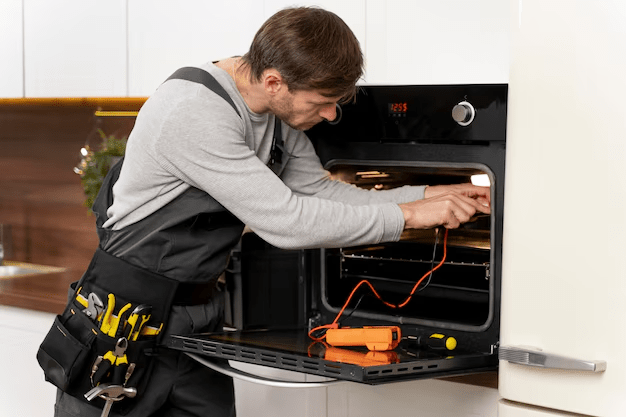
A malfunctioning display can hinder the usability of the microwave:
- Power Supply Issues: A problem with the power supply can cause the display to malfunction.
- Broken Control Board: The control board manages the display and other functions. A fault in the control board can affect the display.
- Loose Connections: Loose or disconnected wiring can lead to display issues.
5.2 Solutions
- Check Power Supply: Ensure that the microwave is properly plugged in and the power supply is functioning correctly.
- Inspect and Replace the Control Board: If the control board is defective, it may need to be replaced. Consult a professional technician for assistance.
- Secure Loose Connections: Check for any loose or disconnected wires and ensure they are securely connected.
6. Microwave Oven Door Issues
6.1 Possible Causes
Problems with the microwave door can affect safety and functionality:
- Door Seal Damage: A damaged door seal can lead to leaks and reduced efficiency.
- Faulty Door Switch: The door switch ensures the microwave operates only when the door is closed. A malfunctioning switch can cause issues.
- Misaligned Door: An improperly aligned door may not close correctly, affecting operation.
6.2 Solutions
- Inspect and Replace the Door Seal: Examine the door seal for damage and replace it if necessary.
- Test and Replace the Door Switch: Check the door switch for proper functionality and replace it if it is faulty.
- Adjust Door Alignment: Ensure the door is properly aligned and adjust it if needed to ensure a secure closure.
Conclusion
Microwave ovens are valuable appliances that can encounter a range of issues affecting their performance. Common problems include heating failures, non-spinning turntables, sparking, loud noises, display malfunctions, and door issues. Understanding the potential causes and solutions for these problems can help users troubleshoot and resolve issues effectively.
Regular maintenance, careful use, and prompt attention to any signs of malfunction can help extend the lifespan of a microwave oven and ensure it continues to operate efficiently. For more complex issues or repairs, consulting a professional technician is recommended to ensure safe and effective resolution.
For More Isightful Articles Related To This Topic, Feel Free To Visit: expertsay