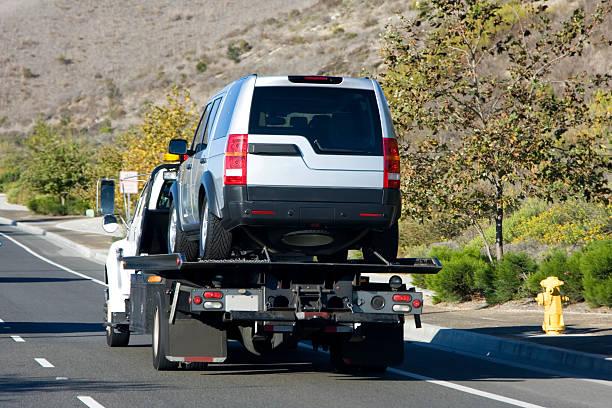
Towing services play a critical role in helping vehicle owners get their cars back on the road after an accident, breakdown, or other emergencies. When a car is no longer operational, whether due to mechanical failure, an accident, or being illegally parked, professional towing services can safely transport it to the necessary destination. However, not all towing services are the same. They vary based on the type of vehicle, the situation at hand, and the specific needs of the car owner. In this article, we’ll discuss the different types of towing services, what they involve, and how to choose the right one for your situation.
Understanding Towing Services
Towing services are designed to remove vehicles from locations where they cannot operate or are causing a disruption. Whether it’s a flat tire, an engine failure, or a car accident, towing services ensure that the vehicle is safely transported to a repair shop, impound lot, or other designated location. Many towing services are available 24/7 to assist in emergencies, while others provide specialized services for specific needs like long-distance towing or heavy-duty towing.
Types of Towing Services
- Flatbed Towing Services
Flatbed towing is one of the most common and safest methods of towing. It involves lifting the vehicle onto a flatbed truck using a hydraulic lift system. This type of towing ensures that the vehicle remains secure during transport, especially for expensive, low-clearance, or delicate vehicles.
Benefits of Flatbed Towing:
- Suitable for vehicles with all-wheel drive or low ground clearance
- Reduces the risk of damage to the vehicle’s suspension or drivetrain
- Can be used for transporting classic cars, motorcycles, or luxury vehicles
- Provides a smooth and secure ride for vehicles that cannot be driven
Flatbed towing is commonly used for:
- Accidents where the vehicle cannot be driven
- Vehicles with mechanical failure
- Vehicles that need to be transported long distances
- Wheel-Lift Towing Services
Wheel-lift towing is a more cost-effective and efficient form of towing. This method involves lifting the vehicle by its front or rear wheels using a hydraulic lift system. The vehicle is then towed by its wheels, with the other set of wheels remaining on the ground.
Benefits of Wheel-Lift Towing:
- Ideal for short-distance towing
- Faster and more affordable than flatbed towing
- Suitable for a variety of vehicles, including compact cars and trucks
- Less risk of damage compared to traditional hook and chain towing
Wheel-lift towing is often used for:
- Vehicles involved in minor accidents
- Car breakdowns in residential areas or local roads
- Tow-away services, such as for illegally parked vehicles
- Hook and Chain Towing Services
The hook and chain method is one of the oldest forms of towing. This method uses a hook and chain to attach to the vehicle’s axle or frame. The vehicle is then pulled by the tow truck, which can result in the vehicle being dragged behind it.
Benefits of Hook and Chain Towing:
- Cost-effective for short-distance towing
- Fast and efficient, especially for vehicles with minimal damage
- Works well for smaller vehicles or vehicles that are not heavily damaged
However, there are several risks associated with hook and chain towing, including:
- Potential damage to the vehicle’s suspension, frame, or exhaust system
- Not ideal for modern vehicles with sophisticated suspension systems
- Could cause scratches or dents on the vehicle’s exterior
This method is now largely obsolete but may still be used in certain situations or by budget towing companies.
- Heavy-Duty Towing Services
Heavy-duty towing is designed for large, heavy, or commercial vehicles, such as trucks, buses, or RVs. This type of towing uses more robust equipment, including specialized tow trucks and extra-strength chains, to lift and tow these large vehicles. Heavy-duty towing is often required after accidents involving commercial vehicles or when transporting large equipment.
Benefits of Heavy-Duty Towing:
- Can handle vehicles or loads that exceed the capacity of standard towing equipment
- Designed to move large machinery or commercial vehicles that are too heavy for conventional tow trucks
- Often involves specialized equipment like dollies, heavy-duty winches, and reinforced towing rigs
Heavy-duty towing is typically required for:
- Semi-trucks or tractor-trailers
- Large RVs and buses
- Construction equipment or other large, heavy machinery
- Motorcycle Towing Services
Motorcycle towing is a specialized service designed for the safe transport of motorcycles. Since motorcycles are smaller and lighter than cars, they require a different towing approach. Motorcycle towing often uses a flatbed tow truck with a secure motorcycle cradle or a two-wheeled dolly to ensure the motorcycle remains upright during transit.
Benefits of Motorcycle Towing:
- Specialized equipment to safely transport motorcycles
- Less chance of damage due to the lighter weight and different towing methods
- Provides secure transport with minimal risk to the bike’s paintwork or parts
Motorcycle towing is essential for:
- Broken down or damaged motorcycles
- Motorcycles that need to be moved to a repair shop or dealership
- Transporting motorcycles for events, races, or shows
- Long-Distance Towing Services
Long-distance towing is required when a vehicle needs to be transported over long distances, often from one city or state to another. This service is ideal for when a car breaks down far from home or when a vehicle is being transported to a new location, such as for relocation or sale.
Benefits of Long-Distance Towing:
- Can transport vehicles across states or countries
- Reliable service for people moving or relocating vehicles
- Provides a secure way to transport vehicles without driving them long distances
Long-distance towing is often used for:
- Relocation services
- Car shipping or transport for dealerships
- Moving classic or vintage vehicles to their new owner
- Flatbed Tow Truck with Winching Services
Winching is a technique used to pull a vehicle from a difficult location, such as a ditch, mud, or steep incline. A winch is mounted on the tow truck and used to pull the vehicle onto the flatbed truck. This service is crucial for when the vehicle is unable to be driven due to being stuck or trapped in an area that is hard to reach.
Benefits of Winching Services:
- Enables towing of vehicles that are stuck in difficult locations
- Works in challenging conditions like muddy, snowy, or hilly areas
- Reduces the risk of vehicle damage during recovery
Winching is commonly used for:
- Vehicles stuck in ditches or off-road locations
- Vehicles that have been involved in accidents and are not drivable
- Cars that need to be recovered from difficult-to-reach places
- Emergency Towing Services
Emergency towing services are available 24/7 to help vehicle owners who experience breakdowns or accidents at any time of the day or night. These services often come with rapid response times to ensure that help arrives quickly. Whether it’s a late-night breakdown, an accident during the weekend, or any other emergency, emergency towing services provide a lifeline when you need it the most.
Benefits of Emergency Towing Services:
- 24/7 availability, including holidays and weekends
- Fast response times to minimize downtime and stress
- Offers peace of mind knowing that help is just a phone call away
Emergency towing services are ideal for:
- Vehicles that break down during odd hours
- Accidents that require immediate towing
- Unforeseen situations where immediate help is needed
- Impound Towing Services
Impound towing refers to the removal of vehicles that have been parked illegally or abandoned, typically by law enforcement or parking authorities. These vehicles are then taken to an impound lot where the owner can retrieve them after paying fines or fees.
Benefits of Impound Towing Services:
- Helps maintain order by removing illegally parked or abandoned vehicles
- Ensures the removal of vehicles that are blocking traffic or causing a hazard
- Supports law enforcement and municipal parking regulations
Impound towing is often used for:
- Vehicles parked in no-parking zones
- Abandoned vehicles left in private or public property
- Cars blocking fire lanes or emergency exits
How to Choose the Right Towing Service
When selecting a Towing Services provider, it’s important to consider the following factors to ensure that the service you choose meets your needs:
- Availability: Look for towing services that offer 24/7 availability, especially if you need immediate assistance during odd hours.
- Response Time: A quick response time is crucial, particularly during emergencies. Choose a service that guarantees a prompt arrival at your location.
- Pricing: Make sure to ask for an estimate of the costs involved. Prices for towing can vary based on the distance, type of service, and time of day.
- Reputation: Always choose a company with a strong reputation for reliability and professionalism. Look for online reviews or ask for recommendations from friends and family.
- Specialization: Some towing services specialize in certain types of towing, such as motorcycles, heavy-duty vehicles, or emergency recovery. Make sure the company can handle your specific needs.
Conclusion
Towing services are vital for maintaining the safety and functionality of your vehicle in various situations. Whether you’re dealing with an accident, breakdown, or need your vehicle moved, understanding the different types of towing services available can help you choose the right one for your needs. From flatbed towing to emergency towing, each service type is designed to address specific issues. Always consider your vehicle type, the urgency of the situation, and the service provider’s experience when selecting Towing Services to ensure a smooth and efficient experience.