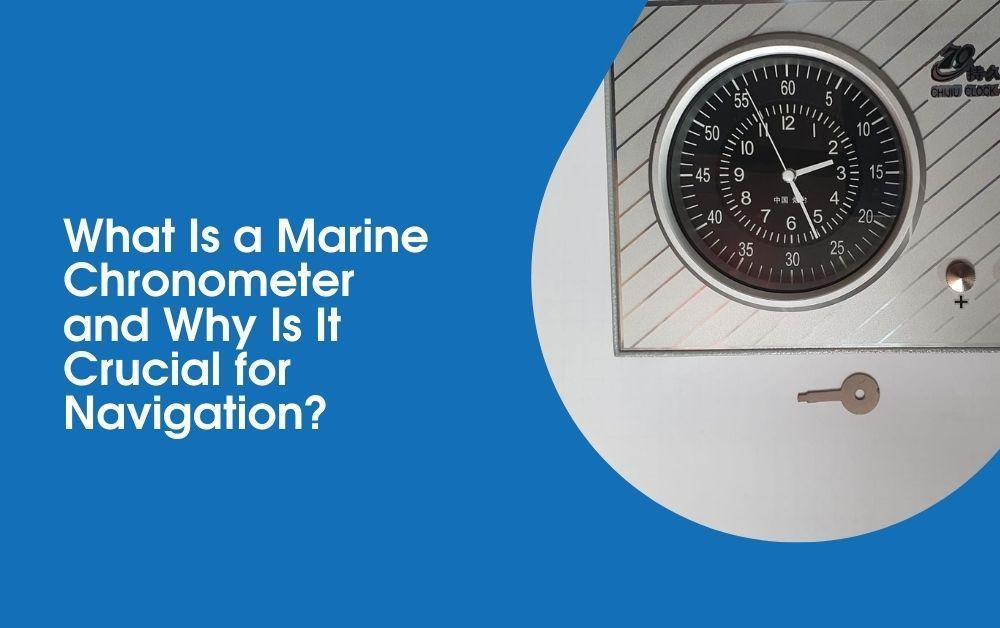
Navigating the vast oceans has always been a challenge, especially before the advent of modern technology. One pivotal invention that made sea navigation safer and more accurate is the marine chronometer. This device played a crucial role in history and continues to hold importance today. In this blog, we’ll explore what a marine chronometer is, its history, how it works, and why it’s so important for navigation.
Understanding the Marine Chronometer
The marine chronometer is a specialized timekeeping instrument designed specifically for sea navigation. Before delving into why it’s so essential, let’s first look at what makes it unique compared to other timekeeping devices.
What Is a Marine Chronometer?
A marine chronometer is a type of clock that is incredibly accurate in keeping time, despite the conditions at sea. Traditional clocks were not suitable for use on ships due to the motion, varying temperatures, and humid conditions that affected their accuracy. The marine chronometer, however, was engineered to withstand these challenges and provide precise timekeeping crucial for navigation.
How Does a Marine Chronometer Work?
The chronometer operates much like other clocks but with several key adaptations to improve accuracy and durability at sea. It typically uses a balance wheel and a spring for the movement mechanism, isolated in such a way to minimize environmental interference. The casing of the chronometer is also robust, protecting it from the elements and ensuring that it remains reliable over long periods at sea.
The Historical Significance of the Marine Chronometer
The development of the marine chronometer is a milestone in maritime history. Its invention and subsequent improvements have had a profound impact on navigation.
The Invention of the Marine Chronometer
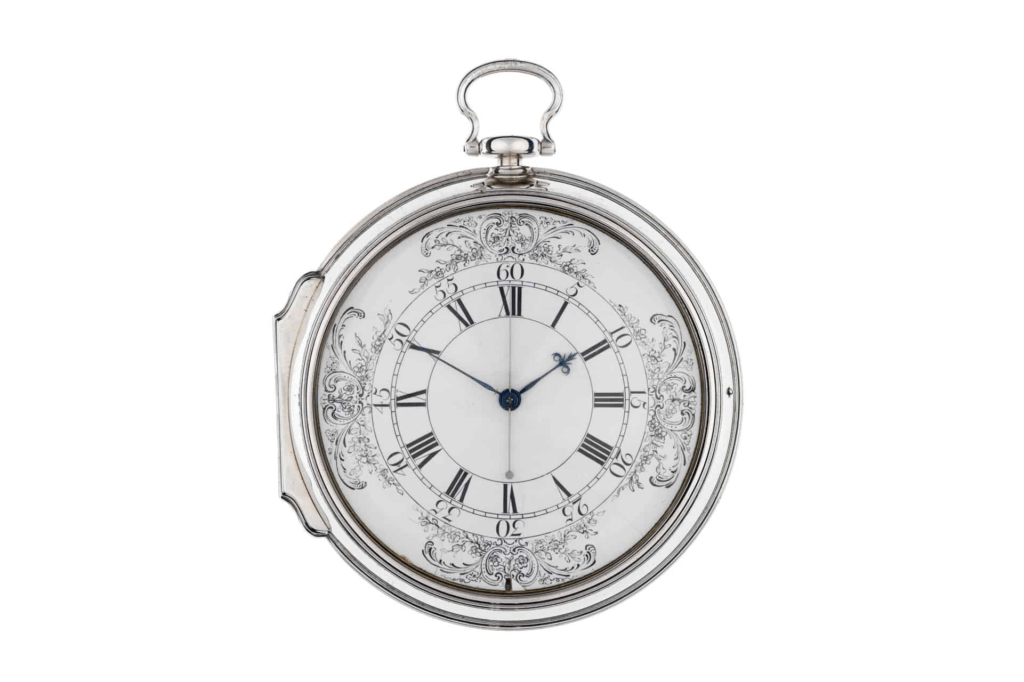
The marine chronometer was first successfully developed by John Harrison, an English carpenter and clockmaker, in the 18th century. Before his invention, sailors relied on dead reckoning to estimate their position east or west, which led to many navigational errors and shipwrecks. Harrison’s chronometer allowed for precise calculation of longitude, revolutionizing marine navigation.
Advancements and Impact
Over the years, the design and functionality of marine chronometers have improved, allowing for even greater accuracy in navigation. The ability to accurately know the time at a fixed reference point (like Greenwich, England) while at any location on Earth made it possible to calculate longitude precisely. This capability dramatically increased the safety and efficiency of sea travel, contributing to the expansion of global trade and exploration.
Why Is the Marine Chronometer Crucial for Navigation?
The significance of the marine chronometer in navigation cannot be overstated. Here’s why it’s so crucial:
1. Determining Longitude
Longitude is a geographic coordinate that specifies the east-west position of a point on the Earth’s surface. Before the advent of the marine chronometer, determining longitude at sea was a major challenge. The chronometer allowed sailors to know the exact time at a reference point (like Greenwich) while comparing it to the local solar time, calculated through observations of the sun. The difference in time helped determine how far east or west they had traveled.
2. Enhancing Maritime Safety
Accurate navigation is crucial for the safety of ships at sea. With the precise timekeeping provided by marine chronometers, sailors could avoid hazardous routes, reducing the risk of accidents, shipwrecks, and loss of life.
3. Facilitating Global Trade and Exploration
The marine chronometer was key to the age of exploration and the expansion of international trade routes. It allowed ships to travel faster and more directly, knowing their precise position. This efficiency opened up new trade opportunities and connections between distant parts of the world.
Modern Relevance of the Marine Chronometer
Despite the advancements in modern GPS technology, the marine chronometer still holds relevance today.
Continued Use in Modern Navigation
In modern times, electronic systems are the primary tools for navigation at sea. However, marine chronometers are still on board as a failsafe against the failure of electronic systems. Their reliability and independence from satellite signals make them invaluable in emergency situations.
Symbolic and Educational Value
Beyond practical applications, marine chronometers are a symbol of innovation and human ingenuity. They also serve an educational purpose, helping to teach the fundamentals of navigation and the importance of precision in maritime history.
Conclusion
The marine chronometer is not just a tool but a revolutionary development that changed the course of navigation and history. Its ability to provide accurate time measurement under adverse conditions made it indispensable for maritime travel. Even in the age of satellites and digital technology, the principles behind the marine chronometer continue to be foundational for understanding and teaching navigation. Whether used directly or studied historically, the marine chronometer remains a crucial piece of our global navigational heritage.
Note:- To read more articles visit on expertsay.