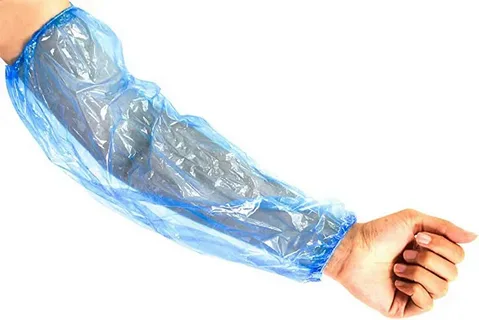
Ensuring hygiene and safety has never been more crucial in the current climate. Among the array of protective gear available, disposable sleeve covers have become indispensable for professional and personal use. These covers provide an extra layer of protection, crucial for preventing contamination and maintaining cleanliness in various environments. Whether it’s a hospital, laboratory, or even your kitchen, sleeve covers protect against germs, dirt, and other contaminants. This blog post explores the significance, history, materials, and future developments of sleeve covers, underlining their vital role in modern hygiene and safety practices.
What is Disposable Sleeve Cover?
Disposable sleeve cover is essential to personal protective equipment, particularly in environments where hygiene and cleanliness are paramount. They are worn over the arms and are designed to protect the wearer from spills, splashes, and contaminants. Often crafted from lightweight materials such as polyethylene and polypropylene, these covers provide a practical and efficient safeguard against potential hazards.
These single-use garments are typically paired with other protective gear, including gloves and aprons, to offer comprehensive coverage. The materials used in their construction are chosen for their durability, resistance to liquids, and ability to form a secure barrier against external substances. This ensures that the wearer’s skin and clothing remain uncontaminated throughout their use.
The design of sleeve covers is tailored for ease of use and comfort. Features such as elastic cuffs help secure the cover, preventing it from slipping and staying in position during activities. Additionally, the lightweight nature of the materials used means that the covers do not impede movement, allowing the wearer to perform their tasks efficiently.
These sleeve covers are indispensable in various settings, from healthcare and laboratory environments to food processing and industrial applications. Their use extends beyond professional contexts, with increasing adoption in domestic settings for tasks that require an extra layer of protection. The practicality and effectiveness of sleeve covers make them a vital tool in maintaining high hygiene and safety standards across multiple domains.
Brief History and Evolution of Sleeve Covers
Protective clothing dates back centuries, with early instances evident in medical practices where maintaining sanitation was paramount. Sleeve covers, as a specific form of protection, began gaining traction during the 20th century, coinciding with the rapid pace of industrialisation and significant advancements in the healthcare sector. These protective items were initially fashioned from simple fabrics, primarily aimed at shielding the wearer from basic contaminants and spills.
However, as the demands for more robust protective gear increased, the materials and design of sleeve covers evolved. By the mid-20th century, innovations in material science led to the introduction of more advanced, synthetic fabrics such as polyethylene and polypropylene. These materials offered superior protection, being both durable and resistant to liquids and chemicals, thereby greatly enhancing the efficacy of sleeve covers in various settings.
The design of sleeve covers also saw notable improvements. Earlier versions were basic and often lacked the secure fit required for optimal protection. Over time, features such as elastic cuffs and tear-away seams were introduced to ensure a snug fit and ease of use. These advancements improved the protective capabilities of sleeve covers and made them more comfortable and user-friendly.
Today, sleeve covers are an integral component of personal protective equipment across diverse industries, reflecting their significant evolution and the increasing emphasis on hygiene and safety.
Materials and Design
Common materials for manufacturing disposable sleeve cover include lightweight polyethylene, durable polypropylene, and various non-woven fabrics. These materials are selected for their robustness and resistance to liquids and chemicals. The design of these covers plays a pivotal role in their effectiveness, with features such as elastic cuffs and tear-away seams ensuring a snug fit and easy removal. Elastic cuffs are particularly important as they secure the sleeve covers, preventing any slippage that could expose the wearer’s skin to potential contaminants.
Additionally, these materials are chosen for their breathability, ensuring that the wearer remains comfortable during extended use. The seamless construction of many sleeves covers also reduces the risk of weak points that could compromise protection. Tear-away seams add convenience, allowing the wearer to remove the covers quickly and efficiently, which is crucial in environments where speed and hygiene are of the essence.
The lightweight nature of these materials means that the sleeve covers do not impede the wearer’s movement, allowing for a full range of motion. This is particularly important in high-activity settings such as hospitals, laboratories, and food processing plants, where ease of movement can directly impact performance and safety. Thus, the combination of durable materials and thoughtful design features makes sleeve covers a highly functional component of personal protective equipment.
Uses and Applications
Disposable covers are integral in numerous professional environments. In healthcare settings, they serve as a critical barrier, protecting patients and staff from spreading infections. Laboratories utilise these covers to shield against chemical spills and contamination, safeguarding the researcher and their work. The food industry relies heavily on sleeve covers to ensure hygiene during food preparation, processing, and packaging, upholding stringent safety standards.
In addition to professional settings, sleeve covers are increasingly used in domestic environments. They are handy for cleaning tasks, DIY projects, and any activities that involve handling potentially messy or hazardous materials. Offering an extra layer of protection, they help maintain cleanliness and safety around the home.
Disposable covers benefit industries such as automotive, painting, and manufacturing. Workers in these sectors face exposure to oils, paints, and other substances that could be harmful or difficult to clean off. The covers offer a simple yet effective solution to keep clothing and skin free from such contaminants.
Whether for professional or personal use, sleeve covers’ versatility and practicality make them essential for maintaining hygiene and safety in various activities and industries.
Benefits of Disposable Sleeve Covers
Disposable sleeve covers offer numerous benefits that extend beyond basic hygiene. First, they provide a simple and effective means of preventing contamination, making them invaluable in environments where cleanliness is crucial. Second, their single-use nature ensures that each new cover is pristine, eliminating concerns over lingering germs or residues from previous tasks.
The convenience of sleeve covers cannot be overstated. Unlike reusable options, they do not require cleaning or maintenance, saving time and resources. This is particularly advantageous in fast-paced settings where efficiency is key. Additionally, their ease of use makes them accessible to many users, from healthcare professionals to individuals undertaking home projects.
Another significant advantage is the comprehensive protection they offer. Covering the arms, they shield skin and clothing from spills, splashes, and harmful substances. This protects the wearer and minimises the risk of cross-contamination, which is essential in industries like healthcare and food processing.
Moreover, the materials used in sleeve covers are selected for their durability and resistance to liquids and chemicals. This ensures they remain effective throughout use and provide reliable protection in various scenarios.
Overall, sleeve covers are a practical, cost-effective solution that enhances hygiene and safety across multiple domains, making them a preferred choice for professional and personal applications.
Environmental Considerations
Environmental Impact of Sleeve Covers
The widespread use of sleeve covers contributes to landfill waste, raising serious environmental concerns. As single-use products, they often consist of non-biodegradable materials that take years to break down.
Industry Shift Toward Sustainable Alternatives
Manufacturers are introducing biodegradable and recyclable sleeve covers made from eco-conscious materials to address this issue. These innovations aim to reduce the long-term environmental impact without compromising hygiene standards.
Consumer Responsibility and Eco-Friendly Choices
While maintaining safety remains essential, consumers are encouraged to choose greener sleeve cover options. Supporting sustainable alternatives helps reduce waste and promotes environmentally responsible practices in both commercial and personal use.
Choosing the Right Sleeve Cover
When selecting sleeve covers, you must evaluate various factors to choose the most appropriate product. Firstly, consider the specific environment and the hazards you will likely encounter. For instance, a higher level of protection may be required in healthcare or laboratory settings compared to general domestic use.
Material selection is crucial. Polyethylene and polypropylene are commonly used due to their durability and resistance to liquids and chemicals. If eco-friendliness is a priority, look for biodegradable or recyclable options. The material’s breathability is also essential, particularly for prolonged use, to ensure comfort without compromising protection.
Sizing is another vital consideration. Disposable sleeve should fit snugly without being too tight. Most manufacturers provide sizing guides to help you select the appropriate size. A proper fit ensures the covers stay in place, providing consistent protection throughout use. Ill-fitting covers can slip, exposing skin to potential contaminants.
The design features of sleeve cover, such as elastic cuffs and tear-away seams, can enhance functionality and comfort. Elastic cuffs help to secure the covers in place, while tear-away seams facilitate easy removal, which is especially useful in environments where quick changes are necessary.
Lastly, consider the quantity and cost-effectiveness, especially if you require sleeve covers for a large team or frequent use. Bulk purchasing often results in significant cost savings. By carefully assessing these factors, you can select sleeve covers that provide the optimal balance of protection, comfort, and practicality for your specific application.
Future Trends
The future of sleeve covers will benefit significantly from ongoing technological advancements. Developments in materials science are paving the way for more durable and efficient fabrics that enhance protection while maintaining user comfort. New composites are engineered to offer superior resistance to chemicals and pathogens, making them ideal for high-risk environments such as healthcare and laboratories.
Moreover, the industry is witnessing a shift towards sustainability, with manufacturers investing in eco-friendly alternatives. Innovations include biodegradable and recyclable materials that aim to reduce the environmental impact of disposable PPE. These sustainable options are becoming more accessible, providing consumers with choices that align with their ecological values.
Ergonomic improvements are also on the horizon. Future designs should incorporate usability features, such as better fit, increased breathability, and more robust fastening systems. These enhancements ensure that sleeve covers provide adequate protection and offer greater comfort during extended use.
In addition, the integration of innovative technologies is being explored. Concepts like embedded sensors to monitor contamination levels or track usage patterns are under development. These advancements could revolutionise sleeve covers, providing real-time data to improve safety protocols and optimise their use in various settings.
Overall, the future of sleeve covers looks promising, with innovations set to enhance both their functionality and environmental sustainability.
Conclusion
Disposable sleeve covers are crucial in maintaining hygiene and safety across various industries, including healthcare, food processing, laboratories, and manufacturing. They provide an effective barrier against contaminants, spills, and infectious materials, helping to reduce the risk of cross-contamination and maintain a clean working environment. Lightweight, comfortable, and easy to use, these single-use protective covers are ideal for high-turnover settings where cleanliness is non-negotiable. Covering the often-exposed arm area adds an extra layer of protection that complements gloves, gowns, and other PPE. Investing in quality disposable sleeve cover demonstrates a commitment to safety standards, regulatory compliance, and the well-being of staff and clients. For any hygiene-sensitive workplace, they are truly an essential safeguard.
FAQs
1. Is there eco-friendly disposable sleeve cover available?
Biodegradable and recyclable sleeve covers offer a more sustainable option than traditional covers. These eco-friendly alternatives help reduce environmental impact.
2. How do I choose the right size of disposable sleeve cover?
To choose the correct size, measure the length of your arm and refer to the sizing guide provided by the manufacturer. Ensuring a proper fit is crucial for adequate protection and comfort during use.
3. Can disposable sleeve covers be reused?
Disposable sleeve covers are intended for single use to prevent cross-contamination. Reusing them is not recommended as it can compromise hygiene and safety standards.
| Related Business Listings |
| Contact Directory |
| Local Business Profiles |