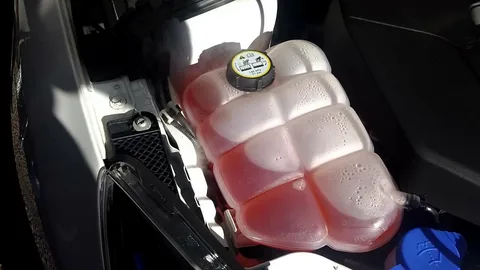
If your 2003 Ford Focus is experiencing overheating issues, one of the first components you should inspect is the 2003 Ford Focus Coolant Reservoir. This essential part of your vehicle’s cooling system can often be the culprit behind sudden temperature spikes. In this guide, we’ll explore why the coolant reservoir is so crucial, identify signs of potential issues, and provide a step-by-step guide on checking and replacing this component if necessary.
Understanding the Importance of the Coolant Reservoir
The coolant reservoir is an integral part of your vehicle’s cooling system, crucially involved in maintaining engine temperature and preventing overheating. It is a storage tank for excess coolant that expands as the engine heats up during operation. When the engine cools down, the coolant contracts and the reservoir ensures that the radiator has a consistent supply of coolant to circulate through the engine, maintaining a balanced temperature and preventing damage from excessive heat.
For the 2003 Ford Focus, the coolant reservoir’s design, along with its age, can make it susceptible to wear and tear over time. Plastic components like the coolant reservoir may become brittle due to prolonged exposure to heat, sunlight, and chemicals in the coolant itself. Cracks or leaks in the reservoir can result in a loss of coolant, leading to poor engine cooling performance and potentially causing overheating if not addressed.
Regular inspection of the coolant reservoir is vital to ensure the continued health and efficiency of your vehicle’s cooling system. Check for visible cracks, leaks, or any signs of coolant residue around the reservoir, which can indicate potential problems. Also, inspect the coolant level to ensure it’s within the proper range, as low coolant levels can lead to engine overheating.
Ensuring the coolant reservoir is in good condition helps maintain optimal engine temperature and contributes to the overall health of your engine. A well-maintained cooling system is essential for preventing overheating, which can cause severe damage to the engine components, including the radiator, water pump, and head gasket. By staying proactive with your vehicle’s maintenance, you can avoid unexpected breakdowns and costly repairs related to cooling system failures.
Signs of a Faulty Coolant Reservoir
A faulty coolant reservoir can lead to engine overheating and potential damage if not addressed. If you notice any of these signs, having your coolant reservoir checked and replaced is important to avoid further engine damage. Here are five signs that your coolant reservoir may be malfunctioning:
Visible Cracks or Leaks
One of the most apparent signs of a faulty coolant reservoir is visible cracks or leaks in the tank itself. Coolant leaks around the reservoir may not hold the correct level of fluid, which can cause engine overheating.
Low Coolant Level
If you frequently notice that the coolant level is low despite topping it off, there could be an issue with the reservoir. A damaged or cracked reservoir can cause coolant to leak out over time, leading to a low coolant level and potential engine overheating.
Engine Overheating
A malfunctioning coolant reservoir can lead to poor coolant circulation, which can cause the engine to overheat. If the temperature gauge on your dashboard rises into the red zone or you notice your engine running hotter than usual, it could be due to a coolant reservoir issue.
Coolant Overflow
If the coolant reservoir is damaged, it may be unable to store and release coolant when appropriately needed. This can lead to coolant overflowing or spilling out of the reservoir when the engine heats up, especially when the vehicle is parked or after a drive.
Unusual Engine Smell or Steam
A cracked or broken coolant reservoir may spill coolant onto the engine, causing a sweet-smelling odour or visible steam from under the hood. This is often a sign of a coolant leak or overheating, which could indicate a problem with the reservoir.
Tools and Materials Needed
Before starting, ensure you have the following tools and materials:
– New coolant reservoir specific for a 2003 Ford Focus
– Appropriate coolant fluid
– Full screwdriver set
– Pair of pliers
– Comprehensive spanner set
– Drain pan for collecting old coolant
– Safety gloves and protective goggles
– Clean cloths or rags for wiping up spills
Step-by-Step Instructions to Check the 2002 Ford Focus Coolant Reservoir
Begin the inspection process by ensuring that the engine is completely cool. This is crucial to avoid burns or injuries from hot coolant or engine components. After allowing the motor to cool down, open the bonnet and locate the coolant reservoir, typically a translucent plastic tank near the radiator. The reservoir usually has a pressure cap on top, essential for regulating the system’s coolant pressure.
Once you’ve located the 2002 Ford Focus Coolant Reservoir, visually inspect its exterior for any visible cracks, dents, or other signs of damage. These imperfections can indicate that the reservoir is at risk of leaking coolant, which can lead to overheating and potential engine damage if not addressed. Carefully remove the pressure cap, but be cautious, as there might still be some pressure inside the system, especially if the engine was recently running. If you notice a sudden pressure release or a hissing sound, allow the system to vent slowly before fully removing the cap.
Once the cap is removed, check the coolant level inside the reservoir. Most reservoirs have minimum and maximum markings along the side, which serve as a guide to ensure the proper coolant level. If the coolant level is below the minimum mark, it could indicate a leak or that the coolant has evaporated over time. In such cases, inspecting the area around the reservoir and the connecting hoses for any signs of leaks is essential. Leaks may manifest as coolant stains or wet spots around the hoses or reservoirs.
Draining and Removing the Old Coolant Reservoir
1. Ensure the drain pan is positioned to catch any coolant spills.
2. Relieve pressure by removing the reservoir cap.
3. Using pliers, disconnect the hoses from the reservoir.
4. Unscrew the mounting bolts with a spanner set.
5. Gently extract the old reservoir, allowing any remaining coolant to drain into the pan.
Installing the New Coolant Reservoir
Align the new coolant reservoir with the mounting points. Secure it by tightening the mounting bolts using the spanner set. Reconnect the hoses to the new reservoir, ensuring they are firmly attached to avoid leaks. Check that all connections are snug and there are no loose fittings. Once everything is securely in place, inspect the reservoir for any movement or instability.
Refilling the Coolant System
Prepare a mix of the recommended coolant and water in the appropriate ratio specified for your 2003 Ford Focus. Slowly pour the coolant mixture into the new reservoir using a funnel, ensuring you do not spill any fluid. Continue filling until the coolant reaches the marked level on the reservoir. Be cautious not to overfill, as this can lead to pressure issues. Once the correct level is achieved, securely replace the cap to prevent leaks.
Testing for Leaks and Ensuring Proper Fit
Begin by starting the engine and allowing it to idle. Carefully observe the new coolant reservoir and hose connections for any signs of coolant leaks. Simultaneously, monitor the temperature gauge to ensure the engine maintains a stable temperature. If you notice any leaks, turn off the engine and re-tighten the connections as necessary.
Let the engine run for a few more minutes, monitoring for leaks and proper coolant levels. Make sure the reservoir remains stable and securely fitted, with no signs of movement or instability. Finally, switch off the engine and perform a thorough final inspection.
Preventative Maintenance Tips and Advice for 2003 Ford Focus Coolant Reservoir Tank
Regular preventative maintenance of your 2003 Ford Focus Coolant Reservoir Tankcan help you avoid costly repairs and ensure smooth vehicle operation. First, make it a habit to inspect the coolant reservoir and its connections for any signs of wear, leaks, or damage during your routine vehicle checks. Additionally, periodically check the coolant levels, especially before long trips, to ensure they are within the recommended range.
Flushing the coolant system at manufacturer-specified intervals is also crucial for optimal performance. Always use high-quality, manufacturer-approved coolant, and avoid mixing different types of coolant to prevent chemical reactions that could damage the system. Lastly, keeping the engine clean can help spot potential issues early, as dirt and grime can obscure signs of leaks or damage. Regularly clean the exterior of the coolant reservoir to keep it free from debris, which can also help you notice any changes or issues promptly.
Tips for Extending Coolant Reservoir Lifespan
Maintaining your 2003 Ford Focus’s Coolant Reservoir can significantly extend its lifespan. Regularly inspect the reservoir for cracks or damage and clean it to prevent sediment build-up. Ensure that you always use coolant types recommended by the manufacturer to avoid chemical reactions that could harm the system.
Pay attention to the reservoir cap, replacing it if it shows signs of wear or damage to maintain proper pressure within the system. Periodically monitor the hose connections to ensure they are tight and leak-free. Lastly, monitor your engine’s temperature gauge during drives to identify potential cooling issues quickly.
Conclusion
Ensuring the health of your 2003 Ford Focus Coolant Reservoir is vital for the efficient operation of your vehicle’s cooling system. Regular inspections and maintenance can prevent many common issues associated with overheating. By following the detailed steps outlined in this guide, you can identify and rectify potential problems early, ultimately extending the lifespan of your coolant reservoir and maintaining your engine’s performance. Keep up with routine checks and utilise manufacturer-approved parts and fluids for the best results.
FAQs
Q: How often should I inspect my 2003 Ford Focus Coolant Reservoir?
A: Inspecting the coolant reservoir every few months or during routine vehicle maintenance checks is recommended.
Q: What coolant should I use for my 2003 Ford Focus?
A: Always use the coolant type specified by the manufacturer for your vehicle model. Mixing different coolants can cause chemical reactions and damage the system.
Q: Can I drive my car if the coolant reservoir is damaged?
A: Driving with a damaged coolant reservoir is not advisable as it can lead to overheating and potential engine damage. It’s best to address any issues promptly.
Q: What should I do if I notice a coolant leak?
A: If you notice a coolant leak, inspect the reservoir and hoses for cracks or loose connections. Replace any damaged parts and ensure all connections are secure.
Q: Is it normal for the coolant level to fluctuate?
A: Some fluctuation is expected as the engine heats and cools. However, frequent or significant drops in coolant levels may indicate a leak or other issue.
Q: How do I know if the coolant reservoir cap needs replacement?
A: If the cap shows signs of wear or damage or does not seal properly, it should be replaced to maintain correct pressure within the cooling system.
| Related Business Listings |
| Contact Directory |
| Local Business Profiles |