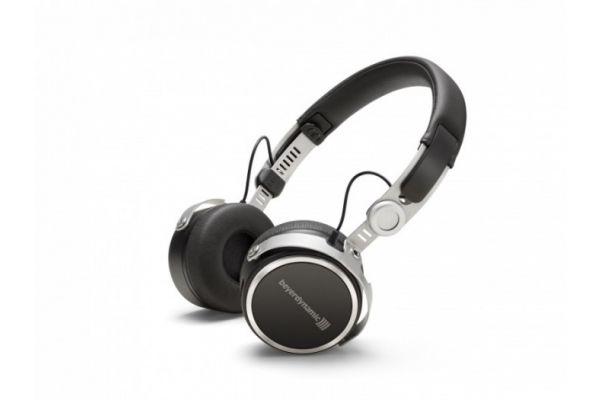
When it comes to audio gear, one of the most hotly debated topics continues to be: wireless headphones vs. wired headphones. In 2025, with advancements in Bluetooth technology, improvements in battery life, and the rise of lossless wireless audio, many are wondering: is it time to ditch the cable? Or do wired headphones still offer unbeatable advantages?
Sound Quality: Is Wired Still King?
Historically, wired headphones have been preferred by audiophiles and sound engineers for their uncompressed audio transmission. A physical cable means minimal signal loss and zero latency. However, the gap has been narrowing thanks to wireless codecs like LDAC, aptX Adaptive, and LC3+, which offer near-lossless audio over Bluetooth.
In 2025:
- Wired headphones still offer superior consistency and audio fidelity for critical listening.
- Wireless headphones with support for high-resolution codecs can now match wired sound for most casual users.
Verdict: If you’re a professional or an audiophile, wired still wins. For everyday music lovers, wireless is more than enough now.
Convenience and Portability: Wireless Leads the Way
No more tangled cords, accidental yanks, or cable damage — wireless headphones offer a freedom that’s hard to beat. Especially in mobile or active situations like commuting, working out, or working remotely, they shine.
Many wireless models now support multi-device pairing, touch controls, voice assistants, and active noise cancellation, making them highly versatile. On the other hand, wired headphones are plug-and-play — no batteries, no pairing issues.
In 2025:
- Wireless: Improved battery life (up to 60 hours on some models), USB-C fast charging, and smarter device management.
- Wired: No charging needed, but cables can be inconvenient and less durable.
Verdict: For day-to-day use, wireless headphones are far more convenient.
Compatibility and Connectivity: A Dividing Line
As more smartphones drop the 3.5mm headphone jack, wireless headphones are becoming the default option. Even laptops and tablets now favor wireless connectivity. While USB-C and Lightning-to-3.5mm adapters exist, they’re clunky solutions.
In 2025:
- Many flagship phones no longer offer headphone jacks.
- Wireless headphones easily connect to phones, smart TVs, and laptops via Bluetooth 5.3 and beyond.
- Wired headphones are still essential for audio interfaces, musical instruments, studio gear, and gaming consoles.
Verdict: Wireless wins for mobile compatibility, but wired is crucial for professional or legacy equipment.
Cost and Value: Which Offers Better ROI?
Wired headphones are generally more affordable and offer great sound for the price. You can get audiophile-quality wired cans for under $200, whereas high-end wireless headphones with comparable performance can cost $300–$500 or more.
Wireless models also come with added tech like batteries, microphones, ANC, and app support — which increase the cost and potential maintenance.
In 2025:
- Wired headphones still offer excellent value for money.
- Wireless headphones offer convenience and features, but with a higher price tag.
Verdict: If budget is a concern and you prioritize sound, go wired. If you want an all-in-one solution, wireless is worth the premium.
Use Case Breakdown: What’s Best for Your Needs?
| Use Case | Recommendation |
| Casual Listening | Wireless headphones |
| Audiophile/Studio Work | Wired headphones |
| Gaming | Wired for latency; wireless OK with low-latency tech |
| Commuting/Travel | Wireless with ANC |
| Fitness/Outdoor | Wireless earbuds |
| Home Office/Meetings | Wireless with mic |
| Budget Audiophile | Wired headphones |
Battery & Longevity: Wireless Has Evolved
Early wireless headphones were plagued by poor battery life. In 2025, things have improved significantly. Flagship models now offer 40–80 hours of playtime and quick-charging capabilities (10 minutes for 5 hours of use). But eventually, batteries degrade — and in most wireless models, they’re not user-replaceable.
Wired headphones, meanwhile, can last decades with proper care. There’s nothing to recharge, and even if the cable breaks, it’s often replaceable.
Verdict: Wired headphones are better for long-term durability. Wireless headphones offer great battery performance — for the first few years.
Emerging Technologies in 2025
Wireless headphones are getting smarter:
- AI-powered noise cancellation that adapts to your environment.
- Spatial audio for immersive listening.
- Biometric sensors in earbuds for health tracking.
- Lossless Bluetooth audio over Wi-Fi 7 is beginning to roll out.
While wired headphones remain technologically simple, that’s also their strength — fewer points of failure and no firmware updates required.
Final Thoughts: Which Should You Choose?
There’s no one-size-fits-all answer, but here’s how to decide:
Choose Wireless Headphones if you:
- Want a tangle-free, convenient experience.
- Need active noise cancellation and hands-free calls.
- Listen to music while commuting, exercising, or working from multiple devices.
- Are okay with replacing your headphones every 3–5 years.
Choose Wired Headphones if you:
- Care most about pure sound quality and zero latency.
- Use professional audio equipment.
- Want a solution that will last for years without charging or firmware issues.
- Prefer a budget-friendly option with no extra tech frills.
Conclusion
In 2025, wireless headphones have matured into powerful, convenient, and high-performing audio tools. But that doesn’t mean wired headphones are obsolete — in fact, they remain the gold standard for audiophiles, gamers, and studio professionals.
Ultimately, your choice comes down to how you listen, what you value, and how much you’re willing to spend. If possible, keep one of each: a wireless pair for daily use and a wired pair for when only the best sound will do.