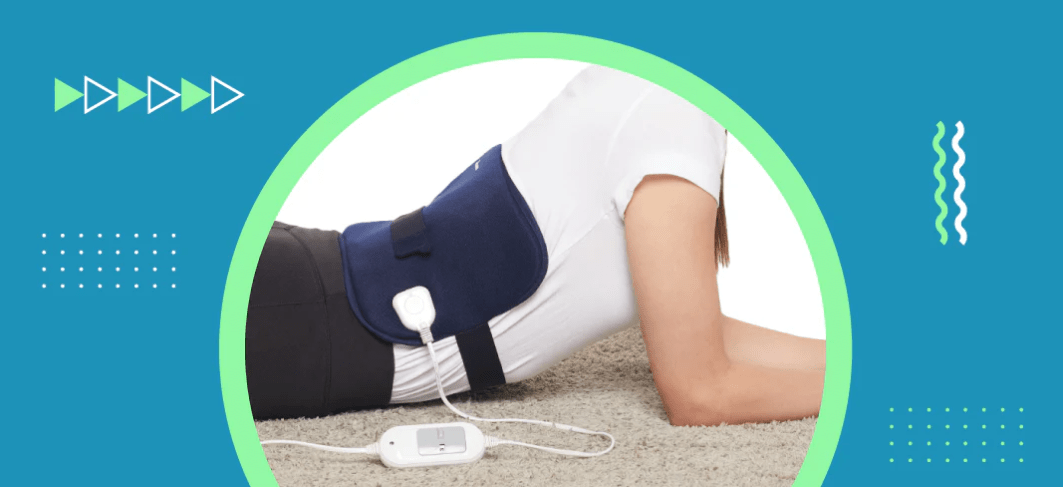
We’ve all been there – that nagging back pain after sitting at a desk all day, or those sore muscles after an intense workout. When pain strikes, most of us just want quick relief without popping pills. That’s where a good heating pad comes in handy. It’s one of those simple solutions that actually works.
Why Heat Makes Pain Go Away
People have been using heat to treat pain for thousands of years, and there’s good science behind why it works. When you put heat on a painful area, your blood vessels open up. This brings more blood to the spot, carrying healing nutrients and taking away the nasty stuff that causes swelling.
Here’s something interesting – heat actually tricks your brain. It sends signals that compete with pain messages, so you feel less discomfort. That’s why a heating pad works so well for things like stiff joints, muscle cramps, and that persistent ache in your lower back.
Different Types You Can Choose From
Most people go for electric heating pads because they’re reliable and easy to use. You just plug them in, adjust the heat level, and you’re sorted. The better ones have timers that switch off automatically, which is brilliant for safety.
If you don’t like the idea of electrical cords everywhere, microwaveable pads are worth considering. They’re filled with things like rice or special gel that holds heat well. Pop them in the microwave for a minute or two, and you’ve got portable heat therapy. Perfect for taking to work or when travelling.
Then there are those instant heat pads you can buy at chemists. Give them a shake or squeeze, and they warm up through a chemical reaction. They’re single-use, but handy for emergencies or outdoor activities.
What to Look For When Shopping
Size really matters here. If your back is always giving you trouble, get a large heating pad that covers the whole area. For specific spots like your neck or wrist, a smaller one will do the job better and waste less energy.
Temperature control is crucial – you want several heat settings, not just on and off. Start low and work your way up. Your body needs time to adjust, and what feels warm initially might feel cool after a few minutes.
The cover material makes a huge difference to comfort. Cotton and fleece feel nice against skin, and even better if you can remove and wash the cover. Nobody wants a smelly heating pad.
Safety features aren’t optional. Auto shut-off is essential – you don’t want to worry about falling asleep with it on. Some pads also have sensors that prevent overheating, which gives extra peace of mind.
Health Problems That Heat Helps
Arthritis sufferers swear by heating pads, especially first thing in the morning when joints feel stiff and creaky. The warmth gets things moving again and makes daily activities much more manageable.
For pulled muscles or minor sprains, heat works wonders – but timing matters. Use ice first for the first couple of days to reduce swelling, then switch to heat to promote healing and reduce stiffness.
Many women find heating pads brilliant for period pain. A pad on the tummy or lower back often works better than tablets and doesn’t have any side effects.
People with fibromyalgia or chronic pain conditions often use heating pads daily. The consistent warmth helps manage symptoms and can improve sleep quality significantly.
Staying Safe While Using Heat Therapy
Never put a heating pad on broken skin, cuts, or infected areas. Heat will make these problems worse and slow down healing. Always have a quick look at your skin before applying heat.
Don’t fall asleep with your heating pad on, even if it has an auto shut-off. Burns can happen surprisingly quickly, and you might not wake up in time. Set your phone alarm for 20 minutes as a reminder.
If you have diabetes or poor circulation, chat with your doctor first. These conditions can affect how well you feel heat, making burns more likely.
Pregnant women must avoid using heating pads on their belly without asking their doctor. Using them on other parts of the body is usually fine, but it’s worth checking.
Keeping Your Heating Pad in Good Shape
Looking after your heating pad properly will make it last much longer. Always unplug it and let it cool down completely before cleaning. If the cover comes off, follow the washing instructions carefully.
Store it flat or rolled loosely – never fold it or stuff it in a drawer. It can damage the internal wires and create dangerous hot spots.
Check the cord and plug regularly. If you spot fraying or exposed wires, stop using it immediately and get a replacement. It’s not worth the risk.
Extra Items That Help
An underpad can make using a heating pad more comfortable, especially when you’re lying down. It protects your mattress from moisture and creates a more comfortable surface for longer sessions.
If your heating pad doesn’t have a timer, consider buying a plug-in timer or smart socket. These add that safety feature and give you better control over treatment time.
Making Your Decision
Choosing the right heating pad comes down to understanding your specific needs. Think about where you’ll use it most, how often, and which safety features matter to you.
A decent heating pad is honestly one of the best investments you can make for managing pain naturally. With the right choice and proper care, it’ll give you years of reliable relief and help you feel more comfortable every day.